


An executor checklist is most useful when it turns a stressful legal role into a visible sequence of tasks. After a death, the executor may need to protect property, find the will, order death certificates, speak with family, identify assets, handle debts, apply for probate, prepare tax records and distribute what remains. That is a lot to hold in memory while also grieving.
A monthly estate-plan review gives executors and families a manageable way to keep contacts, documents and instructions current.
This month-by-month plan gives executors a practical structure without pretending that every estate moves at the same speed. Local law, asset types, family circumstances and court requirements all matter. Use it as an organising framework, then check the rules in the relevant jurisdiction and seek professional advice where the estate is complex, disputed or unclear. The words in Executor Duties Checklist: Month-by-Month Estate Plan matter because the role needs both a checklist and a realistic month-by-month plan.
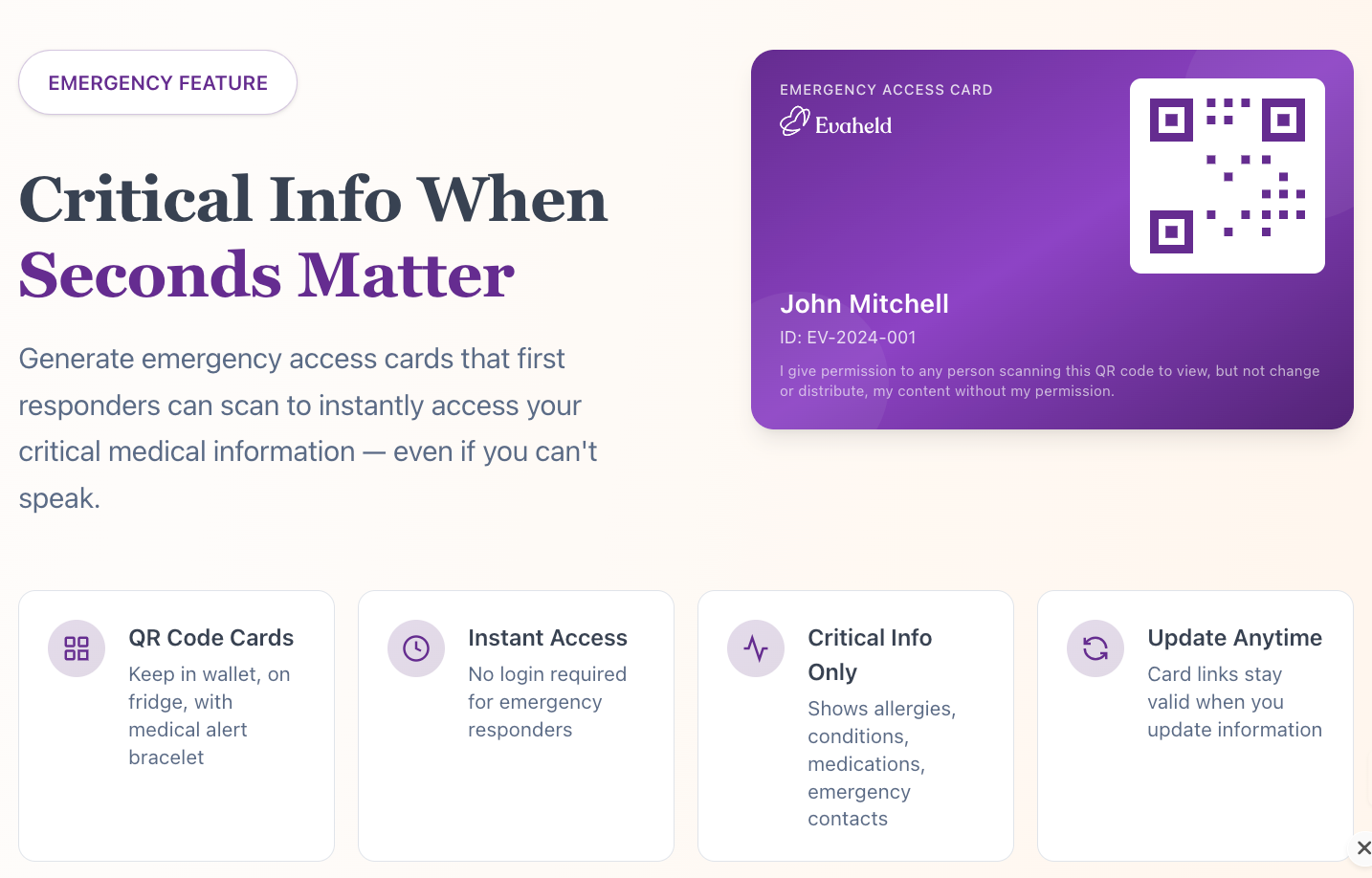
Evaheld can support the human side of this work by helping families keep practical information, document locations, memories and instructions in one place. Formal legal advice still belongs with qualified professionals, but clear records reduce the guessing that often makes estate administration harder than it needs to be.
What does an executor need to understand before starting?
An executor is responsible for carrying out the will, protecting estate property, dealing with debts and taxes, and distributing assets to beneficiaries once it is proper to do so. The details vary by jurisdiction, but the basic duty is careful stewardship. Before making decisions, read the will, confirm whether you are willing and able to act, and understand whether another executor is named with you.
Start by separating urgent care from formal administration. Urgent care includes securing the home, caring for pets, arranging immediate bills that protect property, and helping family find essential information. Formal administration includes probate, asset valuations, tax, creditor notices, estate accounts and distributions. Keeping those streams separate helps you avoid rushing legal steps before the facts are known.
It also helps to name the limits of the role early. Executors do not become family counsellors, financial advisers or historians simply because they are named in a will. They can listen, keep records and act with care, but they should not take on tasks that belong to professionals or make promises the will does not support. Clear boundaries protect both the estate and the executor.
Useful public sources include Service NSW death and bereavement steps, Legal Aid NSW will information and Supreme Court of Victoria wills and probate information. Evaheld's complete affairs checklist is also helpful when families are still assembling the information an executor needs.
What should happen in the first week?
The first week is about protection, not speed. Arrange practical care, check whether anyone depends on the deceased person, secure the home, collect keys, protect valuables and locate the original will if possible. Order death certificates early because banks, insurers, superannuation funds, courts and government agencies may each need certified copies. NSW death certificate information explains the role of official certificates.
Make a first file for the estate. Include the will, death certificate requests, funeral information, contact details for beneficiaries, property notes, bank correspondence, insurance details and a running task list. Record the date, person, organisation and outcome for every call. That record protects you later if a beneficiary, creditor or adviser asks why something was done.
Do not distribute sentimental or valuable items informally in the first week unless the will and family circumstances make that clearly appropriate. Even well-meaning handovers can create tension if records are missing. If family members want keepsakes, photograph items, note who requested them and wait until the executor has a clear distribution process.
One small habit can save a lot of later work: keep a decision log from day one. A decision log can be as simple as a dated document with the issue, options considered, advice received and action taken. It is especially useful for property security, funeral expenses, urgent repairs and early conversations with banks or insurers.
How should month one be organised?
Month one should create the estate map. List known assets, liabilities, household bills, subscriptions, insurance policies, digital accounts, real estate, vehicles, business interests, tax records and personal items. Identify which institutions need notification and which accounts should stay open to protect property. For example, home insurance, utilities and security may need to continue while the estate is administered.
Contact beneficiaries with a simple update: you have begun the executor process, you are collecting information, and you will provide a clearer timeline once assets and legal requirements are known. Avoid legal conclusions before probate and valuations are checked. Consistent communication is better than frequent speculative messages.
Month one is also the right time to identify risk. Look for properties that need insurance review, vehicles that need secure storage, valuable collections that may require valuation, accounts with automatic payments, dependent relatives who need support and digital accounts that could lock important records. The executor does not need to solve every item immediately, but each risk should be visible.
Use Moneysmart wills and powers of attorney information to frame the importance of formal documents. For practical storage, Evaheld's essential document vault and document organisation answer can help families understand what should have been gathered before the executor needed it.
What belongs in months two and three?
Months two and three usually focus on probate preparation, asset confirmation and debt review. Depending on the estate, you may need professional valuations, bank balances at date of death, property details, loan statements, superannuation information, insurance records, tax history and business documents. If probate is required, the application should match the relevant court process. Victorian probate application information shows the type of formal requirements that can apply.
Debt review should be careful. Identify mortgages, credit cards, personal loans, utilities, funeral costs, medical accounts, tax liabilities and any claims against the estate. Do not pay every request automatically. Check whether the debt is valid, whether estate funds are available and whether any priority rules apply. If the estate may be insolvent, get legal advice before paying beneficiaries or creditors.
This stage is where a checklist prevents accidental duplication. Banks, insurers, superannuation funds, government agencies and service providers may ask for similar documents in different formats. Keep one master list of requests, documents sent, reference numbers and follow-up dates. If a provider asks for an original document, record when it was sent and how it will be returned.
This is also the time to protect digital access. The executor may need email, phone records, cloud storage, password manager notes, subscriptions and online banking information, but privacy and provider rules still apply. The NCSC password collection, CISA strong password advice and Evaheld's digital inheritance planning all point to the same principle: secure access should be planned, not improvised.
How do months four to six move the estate forward?
By months four to six, many executors are following up probate, preparing tax information, managing property and planning distributions. Some estates will move faster. Others will still be waiting on a grant, a valuation, a tax record or a beneficiary response. The key is to maintain momentum without pretending a delayed third-party process is under your personal control.
Prepare estate accounts as you go. Record money received, money paid, assets sold, expenses reimbursed, documents lodged and communications sent. Keep receipts for property maintenance, filing fees, postage, professional advice and insurance. Good records make final distribution easier and reduce the chance that beneficiaries feel excluded from the process.
If you need to sell assets, document why. A decision to sell a car, shares or household goods may be straightforward, but beneficiaries can still have questions later. Keep valuation notes, sale estimates, agent recommendations and the final sale record. Where an asset has emotional value, separate the financial decision from the family conversation so people understand what is being decided.
Tax and valuation work often need outside help. UK estate valuation information is a useful example of how assets, debts and reporting duties interact, while UK probate estate information shows why estate administration is staged. In Australia, rules differ between states and territories, so use jurisdiction-specific court and government sources before acting.
If the family is still trying to find records, use a simple categories list: identity, legal, financial, property, insurance, tax, health, digital, household, memories and personal wishes. Evaheld's family document organisation system gives families a way to think through that structure before an executor is under pressure.
When the estate information is ready to organise with trusted family, set up an executor-ready family record so the people who need context can find it without sorting through scattered messages.
What should happen in months seven to twelve?
Months seven to twelve are often about distribution, final records and closure. Before distributing, confirm that debts, tax, estate expenses and any legal waiting periods have been handled. Prepare a distribution schedule that matches the will. For specific gifts, identify the item, recipient and transfer date. For residue, show how the remaining estate is calculated.
Beneficiary communication matters here. Tell beneficiaries what has been finalised, what is still reserved for expenses and what documents they may need to sign. If releases are appropriate in the jurisdiction, get professional advice about wording. If a beneficiary is overseas, missing, underage or vulnerable, pause and get advice rather than forcing a standard process onto a non-standard situation.
Final records should be boring, complete and easy to follow. Include the starting inventory, sale records, debts paid, tax actions, professional invoices, interim distributions, final distributions and any money retained for known expenses. A beneficiary should be able to understand the broad story of the estate without decoding months of scattered email chains.
Keep privacy in mind. Estate files often contain personal information about the deceased person, beneficiaries and family members. The handling sensitive records carefully is a useful reminder that sensitive records should be handled carefully. Evaheld's sensitive document sharing answer gives families a practical lens for this kind of information.
What can delay an executor checklist?
Common delays include contested wills, unclear beneficiaries, missing documents, real estate sales, business interests, overseas assets, tax complexity, family disagreement, digital account access and assets that need specialist valuation. Delays do not always mean poor executor work. They often mean the estate has dependencies that need evidence, advice or formal approval.
When something is delayed, document the reason and give beneficiaries a brief update. A useful update says what is delayed, who is responsible for the next step, what has already been done and when you expect to check again. This avoids silence without creating promises you cannot keep.
Executor self-care is also practical risk management. Exhausted executors make poorer records, send unclear messages and rush decisions. If grief is affecting your ability to act, ask a co-executor, solicitor, accountant or trusted administrator to help with specific tasks. Evaheld's grief and responsibilities answer recognises that the work can be both emotional and administrative.

An executor checklist should distinguish estate administration from powers that operate during life and from specialist structures requiring advice. The UK property guide to lasting powers of attorney explains an important authority boundary, while a plain-language guide that can explain a trust simply helps executors recognise when trust administration may be separate. More detailed guidance on how trusts protect families and assets can prepare questions for advisers, and an essential multi-factor authentication setup helps keep digital-access planning practical and lawful.
How can families make the executor role easier in advance?
The best executor checklist begins before anyone dies. Families can make the role easier by keeping current records, storing documents securely, naming professional contacts, explaining digital accounts, writing funeral preferences, listing assets and debts, and recording personal wishes. This does not replace a will or legal advice, but it gives the executor a far better starting point.
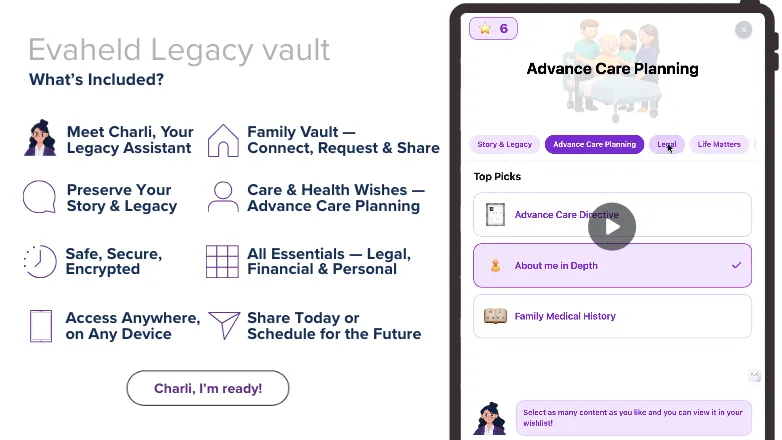
Advance planning should also include family context. A will may say who receives an item, but it may not explain why a photo, recipe book, video message or collection matters. Evaheld's story and legacy vault, secure document storage planning and health decision planning comparison help families separate legal documents, practical instructions and personal meaning.
A good preparation file should answer simple questions: who is the solicitor, where is the will, which bank holds the main accounts, where are insurance policies, who knows about the home, which digital accounts matter, what funeral preferences exist and which family stories should not be lost. The more clearly those answers are kept, the less the executor has to infer under pressure.
For legal and estate professionals, clear client records can reduce friction after death. Evaheld's probate and executor support tools show how practical preparation can sit alongside formal estate planning. The Evaheld platform is designed to preserve both life administration and legacy material so families are not forced to reconstruct everything during grief.