
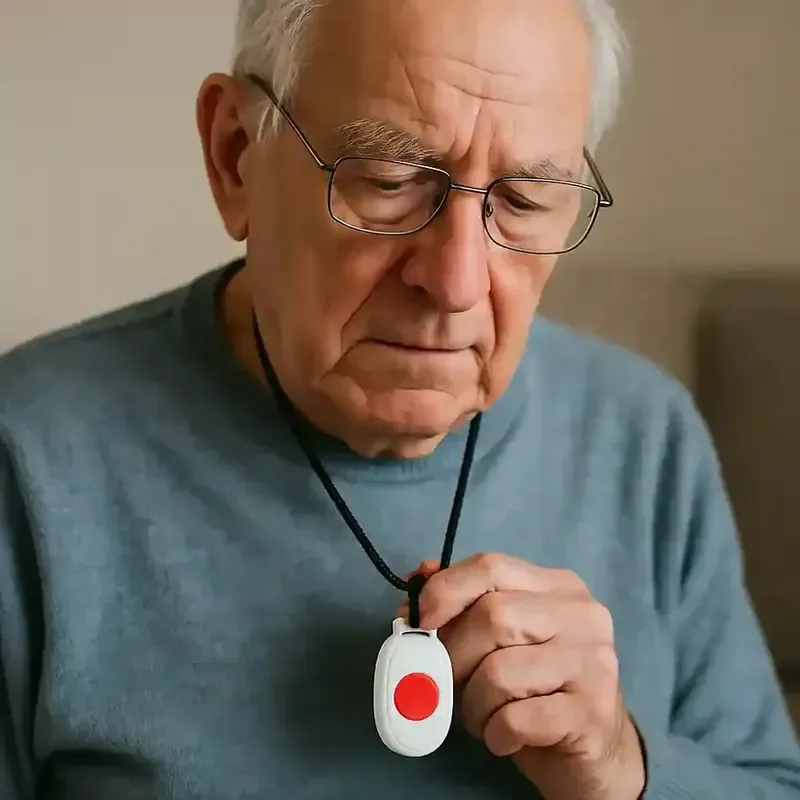
Choosing personal alarms for safety in 2026 is less about finding the flashiest pendant and more about matching the alert pathway to a real person's day. The right alarm should be easy to wear, easy to charge, simple to test and backed by a response plan that family members understand. It should also sit beside practical health information, not replace it. If a parent falls in the bathroom, feels confused on a walk or cannot reach their phone, the device is only the first step. The next step is making sure the person who answers knows what to do, who to call and what information matters.
For Australian families, the strongest setup combines a wearable alarm, clear home safety routines and a shared care record. Falls information explains why falls are a serious issue for older people and why prevention includes health checks, home hazards, medicines and confidence. A device can shorten the time between an incident and help, but it cannot make slippery floors safer, keep contact lists updated or explain a person's preferences. That is why this guide looks at the top categories of personal alarms, not only brand names, and shows how to connect each option with family information in Evaheld.
What Makes a Personal Alarm Reliable in 2026?
A reliable personal alarm has four jobs. It must be available when needed, trigger help without complicated steps, connect to the right responder and keep working after ordinary daily use. Availability means the person actually wears it in the shower, garden, bedroom and hallway. A pendant left on the bedside table cannot help in the laundry. A watch that looks stylish but needs daily charging may fail if the wearer forgets the routine. A home base station may be excellent indoors but useless during a neighbourhood walk.
The fourth job is maintenance. Battery life, charging prompts, mobile network coverage, water resistance, speaker volume, warranty terms and cancellation rules matter more than a long feature list. Alarm comparison advice is useful because it focuses on contracts, monitoring, fall detection and practical buying questions rather than treating every product as equal. Families should write these checks down before comparing providers, then test the short-listed device in the rooms and outdoor paths where it will actually be used.
Which Type of Personal Alarm Fits Each Situation?
The top personal alarms in 2026 usually fall into five categories. The first is a home-based pendant connected to a base unit. It suits someone who spends most time at home and wants one simple button. The second is a mobile pendant or watch with a SIM card, GPS and two-way voice. It suits someone who gardens, walks, shops or attends appointments alone. The third is a fall-detection device. It suits someone with a known fall risk, but only if the family understands its limitations. The fourth is a smart-watch style alarm. It can feel less medical, but it may require more charging and setup. The fifth is a broader home monitoring system with sensors, which may suit families managing progressive illness or overnight risk.
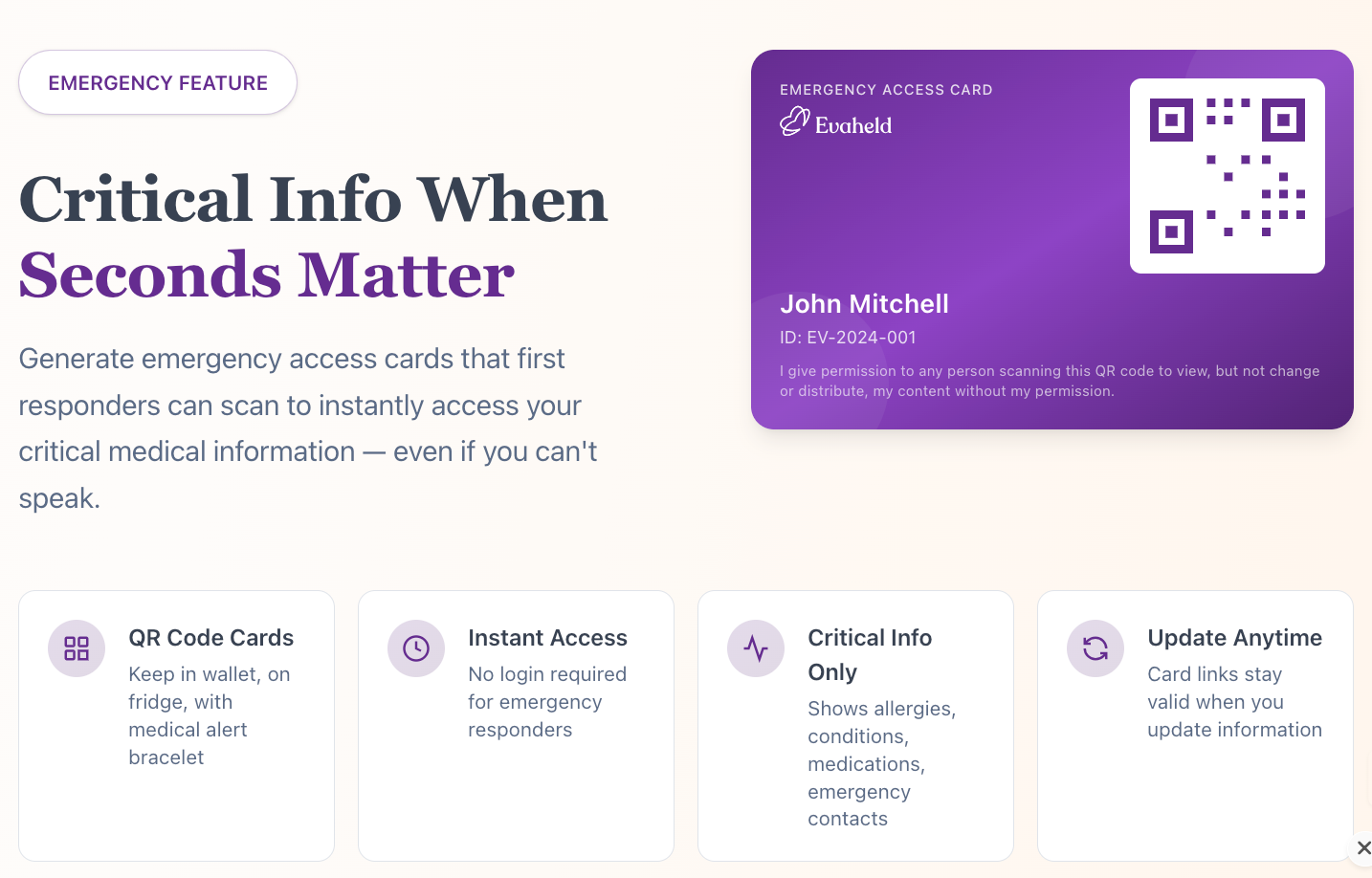
This is also where Evaheld's medical ID card and QR emergency access guidance become practical. The alarm gets attention; the emergency card or shared record gives context. A responder, neighbour or family member may need allergies, medicines, a preferred hospital, access instructions, hearing or speech notes, and the name of the person who can make decisions. Putting those details in a secure, maintained place is often the difference between a device purchase and a working safety plan.
How Should Families Compare Personal Alarms?
Families should also compare response models. A family-call alarm may be cheaper, but it assumes someone will answer immediately and know what to do. A monitored service may cost more, but it can provide a 24-hour pathway. Ask providers how quickly calls are answered, whether monitoring is Australian-based, what scripts operators follow, whether they can see medical notes and how they escalate when the wearer cannot speak. For buying discipline, use the online buying advice to check refunds, warranties and contract clarity before agreeing to a long subscription.
Finally, compare the information layer. If only one adult child understands the alarm account, the family has a single point of failure. Store provider details, account numbers, test dates, emergency contacts and access instructions with home medical records and organised family documents. Keep the alarm provider's notes short and current, and keep sensitive detail in a place controlled by the person and trusted family members. That division protects privacy while still giving responders what they need.
What Features Matter Most for Seniors?
Fall detection is the feature families ask about first, but wearability is usually more important. If the person dislikes the device, forgets it, removes it before showering or cannot hear it, the best algorithm in the world will not help. Look for a comfortable strap or pendant, water resistance for bathroom use, a button that is easy to find by touch, clear charging prompts and a speaker loud enough for the person's hearing. Test from the floor if it is safe to do so, because a device that sounds clear at a table may be hard to hear from the hallway.
Battery management is often the quiet failure point. Choose a device with realistic battery life, low-battery alerts to both the wearer and a contact, and a charging routine that fits the person's habits. For someone who already struggles with daily tasks, a weekly charge may be safer than a daily charge. STEADI resources and home fall prevention both reinforce a wider point: the alarm should support a prevention plan that includes strength, balance, medicines, footwear, lighting and household hazards.
How Does an Alarm Work With a Care Plan?
A personal alarm should be written into a care plan in plain language. The plan should say when the device is worn, how it is charged, who receives alerts, what the provider knows, where spare keys are kept, who can authorise help and what to do after any activation. It should also include the person's preferred language, communication needs, mobility aids, pets, lockbox details and any instructions that reduce distress. This is especially important when several siblings, neighbours or paid carers are involved.
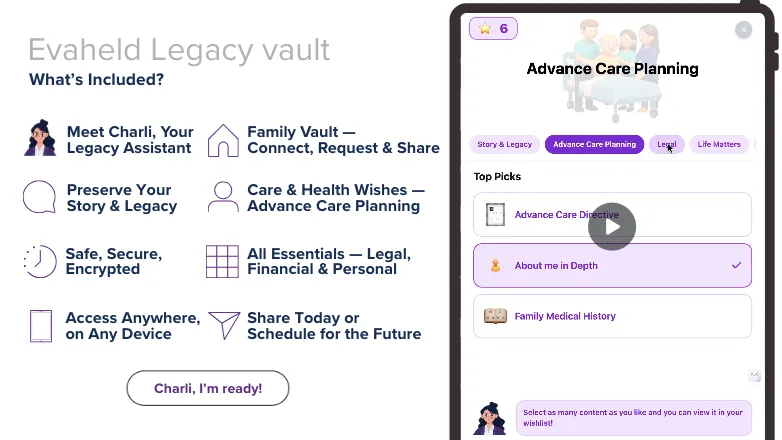
Evaheld's care planning guide and health vault are useful because they frame the alarm as one part of a larger system: wishes, documents, contacts, messages and practical instructions kept together. That matters when the emergency is not only a fall. A personal alarm may be pressed for chest pain, breathlessness, confusion, fear, a locked door, a missed carer visit or a sudden deterioration. In those moments, the family needs the same current information, not scattered notes.
What Should You Ask Before Signing a Contract?
Ask whether the price includes the device, setup, monitoring, SIM, fall detection, replacement straps, cancellation, repair and postage. Ask if the device is locked to one provider. Ask how warranty claims work and what happens if the wearer dies, enters residential care or no longer needs the service. Ask whether there is a cooling-off period, whether prices can rise during the contract and whether family members can manage the account. If a provider avoids written answers, choose another provider.
Families should also check scams and pressure selling. A personal alarm is a safety product, so fear-based sales tactics can be persuasive. Use buying scam warnings before responding to unsolicited calls, and keep purchase notes in Evaheld's practical family information so another person can find the contract later. If the alarm is for a parent, include them in the decision as much as possible. A device chosen around dignity is more likely to be worn than one imposed after a frightening incident.
A Practical Personal Alarm Checklist
Use this checklist before choosing a device. First, write the main risk: falls, wandering, showering alone, outdoor walks, medication side effects, fear after a recent incident or general reassurance. Second, choose the response pathway: family contacts, monitoring centre, emergency services or a staged combination. Third, test the device where it will be used. Fourth, document the support information: contacts, access, medical notes, communication needs and provider details. Fifth, schedule reviews so the setup changes with the person.
For the device itself, check button size, water resistance, fall detection, GPS, two-way voice, battery life, charging reminders, network coverage, replacement process and account management. For the home, check lighting, mats, cords, shower grip, footwear, stairs and night-time paths. For the family, decide who receives alerts, who can attend, who keeps keys, who speaks to the provider and who updates Evaheld. Falls risk factors are a reminder that a previous fall, medicines and health changes can alter the plan quickly.
For the emotional side, talk about the alarm as a confidence tool, not a symbol of decline. Many older people resist alarms because they feel watched, labelled or pressured. A calmer framing helps: the device protects independence by making it easier to keep walking, showering and living at home with a backup plan. Evaheld's caring for parents resources support that family conversation because they focus on practical care without removing the person's voice.
How Do You Keep Emergency Details Useful?
An alarm account should hold only the information the responder needs immediately. That may include name, address, access instructions, emergency contacts, major conditions, allergies, medicines, mobility aids and communication notes. The fuller record can live in Evaheld, where family members can maintain documents, stories, wishes and care instructions over time. This keeps the alarm provider's notes clear while giving trusted people a deeper source of truth when decisions become more complex.
Review the emergency details whenever the alarm is tested. A working button with an old phone number is not a working system. Check the GP, medicines, allergies, contacts, access instructions, preferred hospital, power of attorney details and any recent hospital discharge notes. If the person uses several services, keep the same current summary across the alarm provider, fridge card, QR card and family vault. Falls advice also supports a habit of reviewing health contributors, not only equipment.
What Are the Top Choices for 2026?
The top choice for an active older person is usually a mobile GPS alarm with two-way voice, long battery life and monitored response. The top choice for someone mostly at home is a simple waterproof pendant with a reliable base station and clear speaker. The top choice for someone with known fall risk is a device with fall detection plus a response plan that does not depend on the wearer speaking. The top choice for someone worried about stigma may be a watch-style alarm, provided charging and usability are realistic. The top choice for complex care may be a monitored alarm plus sensors and a shared family care record.
There is no single best personal alarm for every senior in 2026. A good decision is specific, tested and documented. It respects independence, checks the commercial terms, protects privacy and keeps family information current. Before buying, compare the device against the person's actual day, then record the chosen setup so everyone can act quickly. Inclusive preparedness resources make the same practical point in a broader emergency context: equipment is only as useful as the plan around it.
If your family is choosing an alarm now, use the purchase as the moment to organise the information that responders and relatives will need later. Add the device details, emergency contacts, access instructions, medical summary and care preferences to a secure shared place. Build your family safety record in Evaheld so a button press, a QR card and a trusted family plan all point in the same direction.