

Why does an aged care end-of-life planning checklist matter?
An aged care end-of-life planning checklist is not a formality for the final days of life. Used well, it is a shared map for care teams, residents and families before decisions become urgent. It gathers the resident’s values, health care wishes, substitute decision-maker details, important documents, communication preferences and comfort priorities in one reliable place. That matters because aged care settings often involve rotating staff, visiting clinicians, family members in different locations and changing health needs. Without a current checklist, even compassionate teams can lose time confirming who to call, where documents are stored or what the resident has already said they want.
The goal is practical dignity. Palliative Care Australia describes palliative care as support for quality of life for people with life-limiting illness, and Healthdirect’s palliative care information explains that support can include symptom relief, emotional care and help for families. In aged care, those ideas need to become daily practice: how the person likes to be addressed, what helps them settle, who should be involved in serious conversations, what spiritual or cultural customs matter, and where their formal health care instructions are kept.
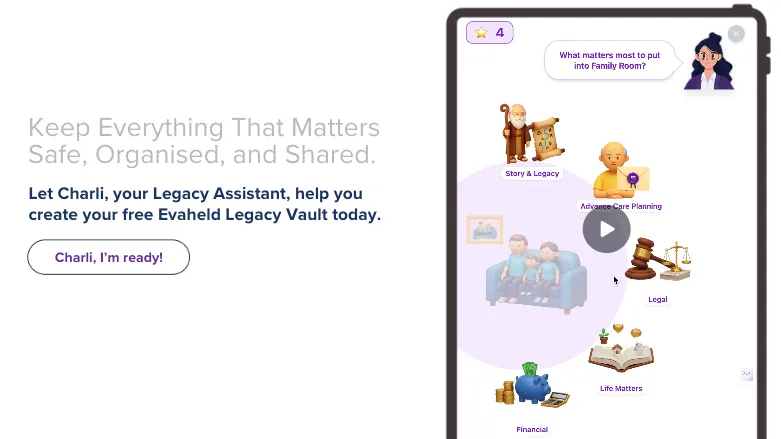
Evaheld’s health and care vault is designed for this kind of organised, family-aware planning. For providers, the checklist can sit beside clinical and operational systems as a person-centred layer: not a replacement for medical records, not legal advice, and not a substitute for local policies, but a clear place to collect the human context that families and care workers otherwise carry in memory.
What should the checklist capture first?
Start with decisions and details that affect immediate care. The first section should name the resident, preferred name, language needs, communication style, cultural background, spiritual preferences and trusted contacts. It should identify the person or people who can speak for the resident if they lose capacity, and it should record where formal documents can be found. Better Health Channel’s advance care plan guidance makes clear that planning records a person’s choices and values for future care. Palliative Care Australia’s advance care planning resource also emphasises discussion with family and health professionals, which is why the checklist should include both document locations and conversation notes.
For aged care teams, the checklist should separate “must know now” information from “helpful life context”. Must-know details include allergies, communication barriers, emergency contacts, GP and pharmacy details, current substitute decision-maker information, advance care directive location, medication management responsibilities, hospital transfer preferences where documented, and any care alerts. Helpful life context includes music, foods, faith practices, important relationships, fears, routines, meaningful objects and the names of people the resident may ask for when distressed.
Evaheld’s Australian advance care planning overview is useful for families who are still working out what to document. The related end-of-life wishes checklist can help residents and family members translate broad wishes into specific notes that staff can understand.
How should providers organise documents without creating confusion?
The safest checklist is structured, dated and easy to review. It should not bury critical information inside long narratives or duplicate clinical instructions in a way that creates conflict. Use a simple structure: resident identity, decision-makers, health care documents, comfort preferences, family communication, cultural and spiritual needs, practical affairs, review history and unresolved questions. Each section should show who provided the information and when it was last checked.
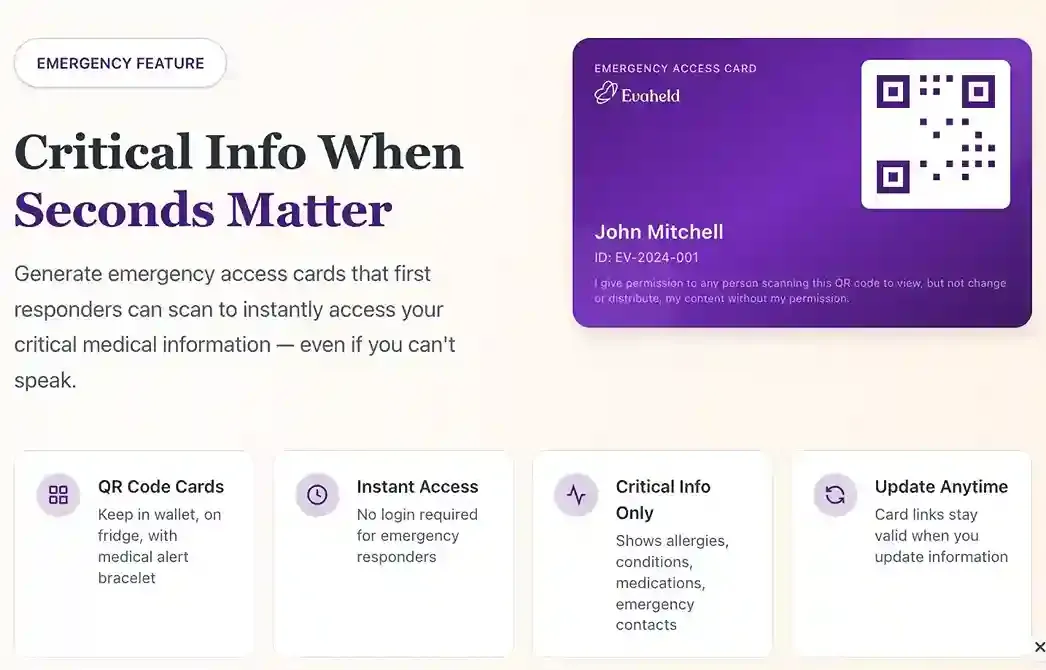
Privacy also matters. OAIC guidance for health service providers explains responsibilities around health information, and OAIC health information rights guidance gives residents and families a plain-language view of privacy. In practice, aged care teams should avoid open-ended sharing. They need clear permissions, role-based access, and a way to remove or update access when family roles change.
Digital organisation can reduce the risk of outdated folders being passed around, but only if ownership is clear. A resident or authorised family member should know who can update the checklist, which document is the current version, and which details belong in the provider’s clinical system instead. Evaheld’s secure data handling guidance and important document organisation advice are useful companion reads for families preparing information before admission or care review.
What belongs in an aged care end-of-life planning checklist?
The checklist should be short enough to use during a busy shift and complete enough to prevent avoidable distress. A practical aged care end-of-life planning checklist should include these sections:
Resident identity, preferred name, language needs, communication style and sensory needs.
Primary family contacts, substitute decision-makers, authorised representatives and any contact limits.
Advance care directive, enduring guardian, power of attorney, will location and other relevant document locations.
Health care wishes, hospital transfer preferences where documented, comfort priorities and symptom concerns to escalate.
Personal routines, food preferences, music, faith practices, cultural needs, important relationships and distress triggers.
Digital account, document and vault access instructions that are appropriate for authorised family members.
Review date, reviewer name, source of information and open questions that need follow-up.
Do not turn the checklist into legal advice. State that formal documents must be prepared and interpreted under the relevant state or territory rules. For families, NSW end-of-life planning information provides a government example of the areas people may need to consider, while Better Health Channel’s end-of-life and palliative care explanation helps distinguish supportive care from crisis-only thinking.
For providers designing a repeatable process, Evaheld’s aged care partner support and person-centred aged care tools discussion show how structured information can support quality of life, not just administration.
How do teams use the checklist during admission and review?
Admission is the best time to collect known information, but it is often the worst time to ask every emotional question. Families may be tired, uncertain or worried about the move. Staff can make the process easier by starting with practical questions: who should be contacted, what documents already exist, what routines matter most this week, and what would make the resident feel safer tonight. Later reviews can explore deeper values, care preferences and legacy details once trust has formed.
It also helps to mark the difference between confirmed instructions and prompts for future conversation. A confirmed instruction might be the location of an advance care directive or the name of a substitute decision-maker. A prompt might be a family question about faith needs, music, visitors or whether a resident wants particular stories recorded. Keeping those categories separate protects staff from treating unfinished conversations as settled wishes, while still making sure important questions are not forgotten at the next family meeting.
A staged process works well. During admission, collect contact details, document locations, immediate routines and safety needs. During the first care conference, review values, health care wishes, substitute decision-maker details and family communication preferences. At scheduled reviews, check whether documents have changed, whether the resident’s condition has shifted, and whether staff have noticed distress triggers or comfort patterns. If dementia is involved, start earlier and keep language practical. Dementia Australia’s overview of dementia explains that dementia affects memory, thinking and behaviour, so planning should capture the person’s own preferences while they can still contribute.
Evaheld’s future-proof advance care planning resource and dementia care management explanation can help families prepare information gradually instead of waiting for a crisis.
How can providers keep family communication consistent?
Family communication is one of the most common failure points in end-of-life and aged care planning. One sibling may hold legal documents, another may manage appointments, and another may receive emotional updates from the resident. If staff do not know who is authorised for what, the same conversation is repeated or the wrong person is left out. A checklist should name the main contact, backup contact, substitute decision-maker, preferred communication method, any family conflict concerns and the kind of updates each person should receive.
This is also where personal context matters. A family may need to know that the resident wants grandchildren contacted early, prefers not to discuss prognosis on certain religious days, or wants a particular friend invited if health declines. Carers Australia’s carer information recognises the practical role carers play, and Healthdirect’s dementia information highlights how support needs can change. The checklist gives staff a shared reference instead of relying on whichever family member spoke most recently.
For families, Evaheld’s wishes communication guidance and communication hub for end-of-life care discussion can reduce awkwardness by turning one difficult conversation into a set of manageable updates.
Where do digital assets and legacy details fit?
End-of-life planning in aged care is not only about clinical decisions. Families often need practical information after a resident’s death: where identity documents are stored, who manages online accounts, what funeral or memorial preferences exist, and whether the resident has messages, stories or values they want preserved. Those details do not all belong in a clinical care plan, but they do belong somewhere trusted and organised.
ABS population projection data shows why ageing systems need to prepare for more older Australians over time. At the same time, more life administration now sits online. A checklist can prompt families to organise practical information while respecting privacy and consent. It can also remind staff that legacy is part of person-centred care: not a sentimental extra, but a way to understand identity, values and relationships.
Evaheld’s digital tools for end-of-life care resource, essential documents guidance and end of life planning checklist help families separate urgent care details and longer-term practical and legacy information - and what to prioritise first.
How should aged care teams avoid common checklist mistakes?
The biggest mistake is treating the checklist as a one-time compliance task. A document created at admission can become harmful if no one updates changed decision-makers, new diagnoses, revoked instructions or changed family permissions. Another mistake is using vague language such as “keep comfortable” without asking what comfort means to the resident. Comfort may mean pain control, familiar music, a quiet room, prayer, a favourite blanket, a pet visit, a particular family member, or avoiding hospital transfer where formal documents and clinical judgement support that plan.
Teams should also avoid mixing unverified family opinions with the resident’s documented wishes. Where there is uncertainty, record the question and the follow-up needed. Palliative Care Australia’s aged care palliative care resource is a useful reminder that care in aged care settings should be planned, person-centred and supportive. For more complex conditions, Better Health Channel’s dementia information can help families understand why preferences and communication methods may need frequent review.
Finally, do not hide the checklist from the people it is meant to help. Authorised family members and relevant staff need a clear way to find the current version. When a team uses Evaheld alongside its usual care systems, the resident’s story, practical documents and family instructions can be easier to keep together without changing the provider’s clinical record responsibilities.
A practical workflow for providers and families
A simple workflow keeps the checklist alive. First, ask the resident and family what already exists. Second, identify missing documents and unclear decision-maker roles. Third, record immediate comfort and communication priorities. Fourth, upload or reference document locations in the right system. Fifth, schedule the next review. Sixth, confirm who is responsible for updating family-facing information when circumstances change.
For a provider, this workflow can support admissions, care-plan reviews, palliative care transitions and family meetings. For a family, it reduces the mental load of remembering every detail during emotional moments. For the resident, it increases the chance that their values and choices are visible when they most need others to understand them.
If your organisation wants a secure way to gather resident wishes, contacts and legacy context alongside care planning, you can create a shared health and care vault for planning and begin with the information families already have.
FAQs about End-of-Life Planning in Aged Care
What should an aged care end-of-life planning checklist include?
It should include the resident’s values, substitute decision-maker details, advance care preferences, comfort priorities, key contacts, document locations and review dates. The Palliative Care Australia advance care planning resource explains why wishes need to be discussed and documented, while Evaheld’s plain-language end-of-life planning explainer helps families understand the practical scope.
How often should aged care teams review end-of-life planning information?
Review it at admission, after hospital discharge, after a diagnosis or capacity change, when family roles change and during scheduled care-plan reviews. Better Health Channel advance care plan guidance notes that preferences can change, and Evaheld’s planning update guidance supports regular review rather than a one-off file.
Is an advance care directive the same as everyday care preferences?
No. An advance care directive records future health care choices for times when a person cannot decide or communicate, while everyday care preferences cover routines, comfort, culture, communication and personal meaning. Healthdirect’s palliative care information describes broader supportive care, and Evaheld’s advance directive overview explains the document side.
Who should have access to resident planning documents?
Access should be limited to the resident, authorised family members, substitute decision-makers and care staff who need the information to support safe care. OAIC health service privacy guidance explains privacy duties, while Evaheld’s secure data handling explanation helps families understand protected sharing.
How can aged care staff talk with families about end-of-life wishes?
Use calm, specific questions about comfort, culture, communication, medical preferences and who should be called in different situations. Palliative Care Australia’s overview of palliative care supports early, person-centred conversations, and Evaheld’s family communication guidance offers a practical starting point.
What role does digital storage play in aged care planning?
Digital storage helps teams and authorised family members find current information quickly, especially when paper folders, phone calls and scattered emails create delays. OAIC health information rights guidance reinforces the need to handle records carefully, and Evaheld’s important information organisation guidance focuses on family-ready access.
Can residents with dementia still contribute to planning?
Many people can contribute preferences, values, routines and comfort choices, especially when conversations begin early and are adapted to the person’s communication style. Dementia Australia’s dementia information explains how dementia affects thinking over time, and Evaheld’s dementia care support explanation shows how families can organise context.
What should families prepare before a resident enters aged care?
Families should gather health summaries, medication information, substitute decision-maker details, legal documents, emergency contacts, cultural preferences and notes about what helps the person feel safe. NSW end-of-life planning information outlines practical planning areas, and Evaheld’s essential documents guidance helps families build the first folder.
How does a checklist help with palliative care in aged care?
A checklist turns broad palliative care intentions into visible tasks: symptom notes, comfort choices, escalation preferences, family communication and spiritual or cultural needs. Palliative Care Australia’s aged care palliative care resource connects palliative care with residential care, and Evaheld’s end-of-life planning support overview shows how those details can be kept together.
What is the safest way to keep an aged care checklist useful?
Keep it short enough to review, specific enough to guide action, visible to authorised people and updated whenever the resident’s care, wishes or decision-makers change. Carers Australia’s carer information recognises the role families play in care, and Evaheld’s planning-ahead support explanation helps keep details current.
What matters most about End-of-Life Planning Aged Care Checklist
The best end-of-life planning aged care checklist is practical, current and humane. It names who can decide, where documents are stored, what the resident values, how families should be contacted and what comfort looks like in real life. It also leaves room for review, because people, health needs and family roles change.
For aged care providers, the checklist supports consistent conversations and better access to the resident’s own wishes. For families, it reduces the pressure to remember every detail when emotions are high. For residents, it helps turn values into visible care. Get started for free and discuss end of life wishes in one secure place.