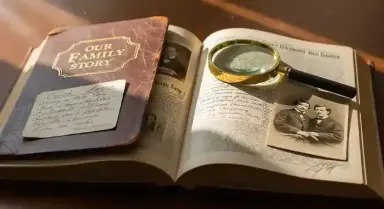

Goodbye Letters: Real Examples and a Gentle Structure to Follow
Goodbye letters preserve love and wisdom. This guide shares real examples and gentle structures to help you write meaningful messages that comfort loved ones and endure across generations.
Writing a goodbye letter—whether for end-of-life circumstances, significant life transitions, or as part of legacy planning—is one of the most meaningful gifts you can leave for loved ones. These intimate messages provide closure, express unspoken feelings, and offer lasting guidance when direct communication is no longer possible. Though deeply personal, goodbye letters benefit from thoughtful structure and authentic expression. This comprehensive guide shares real examples, practical templates, and compassionate guidance to help you create heartfelt farewell messages for those who matter most.
The Purpose and Impact of Goodbye Letters
Goodbye letters serve profound purposes for both writers and recipients. Understanding these functions can help frame your approach to creating these important documents.
For the writer, goodbye letters offer a sense of completion and peace. The process of articulating thoughts and feelings often brings clarity and resolution. Psychologists from the British Psychological Society note that the act of writing legacy documents helps individuals integrate their life experiences and find meaning in their personal narrative.
Dr. Ira Byock, palliative care physician and author of "The Four Things That Matter Most," observes that goodbye letters often express four essential messages: "Please forgive me," "I forgive you," "Thank you," and "I love you." These core sentiments address fundamental human needs for reconciliation, gratitude, and affirmation.
For recipients, goodbye letters provide ongoing connection and comfort. Research published in the Journal of Palliative Medicine indicates that personal messages from deceased loved ones become treasured possessions that help survivors process grief and maintain healthy continuing bonds.
Goodbye letters also serve practical purposes by communicating important information, clarifying wishes, or explaining decisions. The Marie Curie Foundation recognises that clear communication reduces uncertainty and potential conflict during emotional transitions.
Beyond their immediate emotional impact, these letters often become family heirlooms that preserve personal history and wisdom. The National Museum of Australia recognises personal correspondence as valuable historical documents that provide insights into individual lives and broader social contexts.
In the realm of estate planning, goodbye letters—often called legacy letters or ethical wills—stand out as a deeply personal way to bid farewell. Often overlooked in traditional estate planning documents like wills and trusts, these letters offer a chance to convey heartfelt emotions and cherished memories. They are a unique way to pass on family values, share life lessons, and preserve family stories for generations to come. Unlike a legal will, which primarily focuses on the distribution of assets, a goodbye letter embraces the emotional legacy we leave behind.
These letters allow you to communicate sentiments that legal documents cannot capture. They are an opportunity to express gratitude, share wisdom, and even address unresolved issues within the family. Imagine the comfort your loved ones will feel reading a letter filled with personal anecdotes and reflections. This personal touch can offer solace and closure, making goodbye letters an invaluable part of holistic legacy planning.
Express your wishes with the Funeral Preferences and Messages suite in a Legacy Vault. Share goodbye messages, plan meaningful farewells, and leave heartfelt notes for loved ones.
When to Write Goodbye Letters
Goodbye letters are appropriate in various life circumstances, not only end-of-life situations.
During terminal illness, goodbye letters offer opportunities to express what might be difficult to say in person due to emotional intensity or physical limitations. The Australian Centre for Grief and Bereavement notes that creating such documents can be therapeutically valuable for both the writer and future recipients.
Before major surgeries with significant risks, some individuals choose to write contingency letters. These messages, hopefully never needed, provide peace of mind for the writer and would offer comfort to loved ones if complications arose.
Military deployment often prompts farewell letters. Service members frequently write messages to be delivered only in case of death, allowing them to share final thoughts with family members.
During significant life transitions such as divorce, relocation, or retirement, goodbye letters can acknowledge the end of one chapter and express hopes for the future. Mental health professionals at the Royal College of Psychiatrists recognise that marking transitions through writing can facilitate healthy adaptation to change.
As part of advance legacy planning, many individuals create farewell letters while in good health. This proactive approach allows for thoughtful composition without the pressure of immediate circumstances. Estate planning professionals increasingly recognise these emotional legacies as important complements to legal and financial arrangements.
Begin your legacy journey today — download the free Legacy Letter Kit to write and share your Legacy Letter instantly with loved ones.
Types of Goodbye Letters
Different relationships and circumstances call for different types of farewell messages.
Spousal goodbye letters typically focus on expressing deep love, acknowledging the journey shared, and offering comfort. These intimate messages often include private memories, expressions of gratitude for the relationship, and hopes for the partner's future wellbeing.
Parent-to-child goodbye letters frequently combine expressions of pride and love with guidance for the future. Parents often use these letters to share family history, articulate values they hope their children will carry forward, and provide reassurance of enduring love.
Letters to friends may emphasise the unique qualities of the friendship, shared experiences, and the impact the relationship has had on the writer's life. These messages often include humour alongside deeper sentiments, reflecting the character of the friendship.
Letters to colleagues or communities acknowledge professional relationships and contributions. These might express appreciation for collaboration, recognise shared accomplishments, or articulate hopes for the organisation's future.
Reconciliation letters address unresolved conflicts or strained relationships. These sensitive messages often include acknowledgments of responsibility, expressions of forgiveness, and hopes for healing. The Mental Health Foundation notes that such communications can support psychological well-being for both parties.
Ethical wills, a related document type with ancient roots, focus less on goodbye and more on transmitting values, life lessons, and spiritual perspectives. These documents complement traditional wills by addressing non-material legacies. As the National Law Review explains, ethical wills "address the human side of wealth transfer," capturing what truly matters beyond the balance sheet.
Real Examples: Learning from Authentic Goodbye Letters
Studying actual goodbye letters provides valuable insights into effective approaches. The following examples (with identifying details changed to protect privacy) illustrate different styles and circumstances.
Example 1: A Mother to Her Children
My Beloved Children,
As I write this, the autumn leaves are turning outside my window—always my favourite season. How fitting that my own life follows this same natural rhythm. I am not afraid of this transition, though I will miss you terribly.
First, please know that my greatest joy has been watching each of you grow into the remarkable people you are. Mark, your quiet strength reminds me so much of your father. Emma, your creative spirit has brought beauty to everything you touch. James, your compassion for others makes me prouder than you can know.
I've had a wonderful life, rich with love and experiences. Don't grieve too long for me, but instead, remember our Sunday dinners, holiday traditions, and those camping trips where everything went wrong and we laughed until we cried. These memories sustain me now and will comfort you later.
A few practical matters: my journal in the bottom desk drawer contains family recipes and stories I've collected. Share these with your children someday. And please take care of each other—being siblings is a precious gift that will only grow more valuable with time.
When you miss me, plant something in the garden, look at the stars, or make my raspberry scones. I'll be there in the small moments of beauty and connection.
Until we meet again, all my love surrounds you,
Mom
This letter effectively combines emotional expression with practical information. The seasonal metaphor provides a gentle framework for discussing death, while specific memories and individual acknowledgments personalise the message for each child.
Example 2: A Husband to His Wife
My darling Elizabeth,
For forty-three years, you have been my heart's home. If you're reading this, our journey together in this life has ended, but my love for you transcends even this final separation.
Thank you for the life we built—for your patience during my early career when I worked too much, for your strength during Sarah's illness, for your laughter that brightened every day. You taught me what love truly means through your actions more than words could ever express.
I find myself thinking of that small flat in Bristol where we started with nothing but hope and each other. Who could have imagined the rich life that would unfold from those humble beginnings? Every happiness I've known has been multiplied by sharing it with you.
Please don't spend too long in grief. Visit our special places—the Cornwall coast, the Edinburgh gardens—and feel me there with you. Say yes to dinners with friends, to travels, to new experiences. Your happiness will always be my deepest wish.
I've arranged some things with David at the firm—he'll explain everything. The blue folder in my desk contains all the information you'll need. Don't worry about practical matters now; everything is prepared.
I love you with my entire being, yesterday, today, and always.
Robert
This letter balances deep emotional expression with reassurance and practical guidance. The writer acknowledges their shared history, expresses gratitude, and gives "permission" for the spouse to continue finding joy in life.
Example 3: A Farewell to Friends Before Relocation
Dear Tuesday Night Crew,
After fifteen years of weekly gatherings, missed only for births, weddings, and that memorable snowstorm of 2015, I'm writing the hardest message I've ever had to compose to our little found family.
My move to Melbourne is bittersweet—an exciting professional opportunity, but at the significant cost of our regular time together. You've been my constant through life's ups and downs, from celebrations to heartbreaks to ordinary Tuesdays made extraordinary by your presence.
Each of you has shaped who I am today. Anna, your courage in facing challenges inspired me to be braver. Michael, your philosophical questions always pushed my thinking in new directions. Priya, your generosity taught me what true friendship looks like. Sam, your humour sustained us all through difficult times.
Our traditions—holiday cookie exchanges, summer camping trips, impromptu movie nights—have created a tapestry of memories I'll carry with me across the world. Distance will change our relationship, but the foundation we've built remains unshakable.
Technology will keep us connected between visits, and my guest room in Melbourne awaits each of you. This isn't a final goodbye but a transition to a new chapter in our collective story.
With immense gratitude and love,
Jamie
This relocation farewell effectively acknowledges the significance of the relationships while recognising the reality of change. The specific memories and individual acknowledgments personalise the message for each recipient.
Example 4: An Ethical Will Excerpt
To My Family,
As I reflect on what matters most in a life well-lived, I want to share the principles that have guided me, in hopes they might offer some wisdom for your own journeys.
First, integrity matters above all. The peace that comes from knowing you've acted honestly, even when difficult, is worth any temporary advantage that might come from compromise. I've never regretted choosing truth, even when it cost me.
Second, generosity creates abundance. The moments I've given freely—of time, resources, or attention—have returned to me multiplied. The business success I achieved means little compared to the relationships built through genuine care for others.
Third, find work that engages your talents but remember that identity and worth come from who you are, not what you produce. Balance ambition with presence in the ordinary moments that ultimately define a life.
Fourth, forgiveness is a gift you give yourself. Carrying resentments only weighs down your own heart. I regret the years spent holding grudges more than any other mistake.
Finally, express love openly. I was raised in a generation less comfortable with emotion, but I hope you've felt my love through both words and actions. Never leave important feelings unspoken.
My deepest wish is not that you follow my path, but that these hard-earned lessons might illuminate your own unique journeys.
With enduring love,
Dad/Grandad
This ethical will effectively transmits values and life philosophy without being prescriptive. The writer shares personal insights while acknowledging the recipients' autonomy to find their own way.
The Emotional Impact of Goodbye Letters in Estate Planning
Estate planning often delves into the technicalities of legal wills, trusts, and estate tax planning. However, the emotional impact of goodbye letters is profound and far-reaching. When navigating the complexities of estate planning, an estate planning attorney might suggest incorporating these sentimental documents to address emotional needs. Goodbye letters provide a platform to express love, share personal stories, and offer guidance to loved ones left behind.
One may question how to make a will online or use a free will generator, but a goodbye letter requires soul-searching and introspection. The emotional legacy left through these letters can bridge gaps, mend relationships, and foster family unity. By articulating your hopes, dreams, and values, you leave a piece of your heart for future generations, making the probate process not just a legal formality but a meaningful journey of emotional healing.
In Speaking of Psychology: How to Learn from Regret, Robert Leahy, PhD, discusses the distinction between productive and unproductive regret and offers strategies for moving forward. Use regret as a tool for growth when crafting letters that address past difficulties.
Structural Elements of Effective Goodbye Letters
While goodbye letters are highly personal documents, certain structural elements tend to create more meaningful and effective communications.
Opening Acknowledgments
Effective openings often include:
Clear identification of the recipient(s)
Acknowledgment of the circumstances prompting the letter
Expression of the writer's emotional state or purpose
Reassurance of love and connection
This orientation helps establish context and emotional grounding for both writer and recipient. The Dying Matters Coalition notes that direct acknowledgment of difficult circumstances can reduce anxiety around end-of-life communications.
Core Message Components
The central portions of goodbye letters typically address several key themes:
Expressions of love and appreciation articulate the value of the relationship. Specific examples and memories make these expressions more meaningful than general statements. "Your daily phone calls during my chemotherapy treatments showed me what true friendship means" carries more impact than "You've been a good friend."
Life reflections and meaning-making share the writer's perspective on their life journey and the significance of relationships within it. These reflections often become treasured insights for recipients. The Centre for Death and Society notes that such meaning-making narratives benefit both the writer and recipients by creating coherence during transitions.
Guidance and wishes for the future offer the writer's hopes for loved ones' lives going forward. This might include specific advice, general principles, or simple encouragement to find happiness. Effective guidance respects the recipient's autonomy while offering genuine wisdom.
Unresolved matters or requests address practical or emotional issues needing resolution. These might include explanations of decisions, requests for forgiveness, or guidance about specific matters. The Compassion in Dying organisation emphasises the importance of clarity in such communications to avoid creating additional distress.
Permission for grief and healing acknowledges the pain of loss while encouraging eventual healing. Statements like "I know there will be difficult days ahead, but please know I want you to find joy again" can be deeply comforting to recipients worried about "moving on."
Meaningful Closings
Effective conclusions often include:
Reaffirmation of the core emotional message
Forward-looking statements that extend beyond the immediate separation
Personal closing phrases that reflect the unique relationship
The writer's full name or familiar signature
These elements provide a sense of completion while emphasising continuity of connection. Mental health professionals at the Royal College of Psychiatrists note that well-crafted closings can provide important psychological support during grief.
A Gentle Structure to Follow
Creating your own goodbye letter can feel overwhelming. This flexible template offers a starting framework that can be adapted to your personal circumstances and relationship with the recipient.
Template for a Comprehensive Goodbye Letter
Opening
[Recipient's name/term of endearment],
I am writing this letter [context for writing – during illness, as part of planning, etc.] to share thoughts and feelings that are important for you to know. Though these words may reach you when I cannot express them directly, please know they come from my heart.
Expressions of Love and Appreciation
Our relationship has been one of the greatest gifts of my life. I particularly treasure [specific memories or qualities of your relationship].
Thank you for [specific actions, support, or qualities you appreciate about the recipient]. Your [specific quality] has [specific impact on your life].
Life Reflections
As I reflect on my journey, I feel [genuine emotions about your life]. Despite [acknowledgment of challenges], I am grateful for [positive aspects of your life experience].
Our shared experiences of [significant shared events or periods] have shaped who I am and brought meaning to my life.
Guidance and Wishes
As you continue your own journey, my hope for you is [specific hopes for their future].
If I could offer any wisdom from my experience, it would be [authentic insights that might benefit them].
Please remember [important value or perspective] when you face challenges ahead.
Practical Matters (if applicable)
Regarding [specific practical matter], I want you to know [information or instructions].
You can find [important items or information] in [location or with specific person].
Permission for Grief and Healing
I understand there may be sadness when you read this, and that's natural. Please know that [reassurance about moving forward with life].
When you think of me, I hope you'll [positive way to remember you or honour your memory].
Closing
[Final expression of love and connection]
[Personal closing phrase appropriate to your relationship]
[Your name/signature]
Goodbye Letters vs. Traditional Estate Planning Documents
In the elaborate tapestry of estate planning, traditional documents such as wills and trusts hold significant importance. These documents ensure the legal distribution of assets and play a crucial role in estate tax planning. They are the cornerstone of the probate process. However, they lack the emotional depth that goodbye letters provide.
While a legal will navigates who gets what, a goodbye letter answers the why. It provides context and meaning behind the decisions made in your last will and testament. Estate planning lawyers may focus primarily on legal documents, but it's essential to consider the emotional farewell that these letters offer. They complement traditional estate planning by adding a layer of personal touch, bridging the often-cold nature of legalities with warmth and sentiment.
The U.S. Bank guide to legacy letters puts it beautifully: "Your words can convey a lasting record of your emotions and values, helping beneficiaries feel connected to you after you're gone." J.P. Morgan adds that an ethical will is your chance to share "your core values and legacy goals," while Goldman Sachs notes that these letters "can be a powerful way to pass on family stories, values, and hopes for the future."
Secure Storage Considerations for Goodbye Letters
Once written, goodbye letters require thoughtful storage to ensure they reach intended recipients at the appropriate time. Consider these approaches:
Physical Storage Options
With your will and other important documents
In a clearly labelled envelope given to a trusted individual
In a safe deposit box accessible to your executor
With your solicitor or estate planning professional
Digital Storage Options
Password-protected digital files with access instructions for trusted individuals
Email drafts scheduled for future delivery through specialised services
Digital legacy platforms designed for posthumous message delivery
Cloud storage with shared access for designated individuals
The Digital Legacy Association recommends creating redundant storage solutions that don't rely on a single method or individual to ensure delivery.
Writing Guidance for Different Circumstances
The approach to goodbye letters varies depending on specific situations and relationships. These guidelines address common scenarios.
For Terminal Illness Situations
When writing during terminal illness, consider these specific approaches:
Balance honesty with compassion. While authenticity matters, consider the emotional impact on recipients. The Marie Curie Foundation advises acknowledging reality while maintaining hope appropriate to the situation.
Address fears or concerns directly but constructively. Rather than dwelling on anxieties, express them briefly and pivot to messages of reassurance and love. This approach acknowledges difficult emotions without amplifying distress.
Include recent experiences and insights from your illness journey if appropriate. These reflections often provide meaningful context for loved ones trying to understand your experience.
Consider timing carefully. Some choose to share letters during illness to facilitate important conversations, while others prefer letters be delivered after death. Either approach is valid depending on relationships and circumstances.
Palliative Care Australia suggests discussing your intentions with healthcare providers, who can often provide valuable perspective on communication approaches during serious illness.
For Parents Writing to Children
Parents writing to children of different ages require tailored approaches:
For young children, focus on simple expressions of love, basic life lessons, and reassurance. Consider creating age-appropriate letters for future milestones (starting school, adolescence, adulthood) that they can receive when ready to understand more complex messages.
For adolescents, acknowledge their developing identity and capacity for deeper understanding. Balance guidance with respect for their emerging independence. Research from the Association for Young People's Health indicates that adolescents particularly value authenticity and respect in communications from adults.
For adult children, you can address more complex emotions and shared history. Consider including family stories or information they might not know, family health history, and your hopes for their continued life journey.
When writing to multiple children, consider both individual and group messages. Individual letters allow for addressing unique relationships and specific guidance, while shared letters can articulate family values and prevent perceptions of favouritism.
For Relationship Healing
When goodbye letters address strained or damaged relationships, special sensitivity is required:
Focus on personal responsibility rather than blame. Phrases like "I regret my role in our difficulties" rather than "You hurt me when..." create space for healing rather than defensiveness.
Express forgiveness explicitly if that reflects your genuine feelings. Research from the Stanford Forgiveness Project indicates that expressed forgiveness benefits both the forgiver and the forgiven.
Acknowledge the complexity of relationships without expecting perfect resolution. Recognise that the other person may have different perspectives on shared experiences.
Balance honesty about difficulties with affirmation of positive aspects of the relationship, however limited they might be. Finding authentic positive elements creates emotional safety for addressing harder truths.
Mental health professionals at the Psychology Foundation of Australia advise focusing on desired outcomes (peace, understanding, closure) rather than rehashing painful details when addressing relationship difficulties.
Difficult Emotions and Common Concerns
Writing goodbye letters often surfaces challenging emotions and practical concerns. Understanding these common issues can help address them constructively.
Managing Emotional Overwhelm
The writing process may trigger strong emotions. These approaches can help:
Write in short sessions rather than attempting to complete the letter in one sitting. The Australian Psychological Society recommends setting time boundaries for emotionally intensive activities.
Consider using a "progressive draft" approach, beginning with simple notes and gradually developing them into full expressions. This method reduces the pressure of creating a perfect document immediately.
Balance difficult emotions with positive memories and expressions. This creates a more complete representation of the relationship and provides emotional relief during the writing process.
Seek support from trusted individuals, support groups, or professional counsellors if the process becomes overwhelming. Organisations like Cruse Bereavement Care offer resources specifically for those facing end-of-life communication challenges.
Addressing Common Concerns
Writers frequently express certain worries about goodbye letters:
"I'm afraid of upsetting the recipient." While emotional responses are natural, research from the Irish Hospice Foundation indicates that most recipients ultimately value authentic communication despite initial emotional difficulty. Focus on expressing love and connection alongside more difficult content.
"I don't know what to say." Start with simple statements of love and specific memories. These core elements often naturally lead to deeper reflections. Remember that authenticity matters more than eloquence.
"I'm worried about being too emotional." Genuine emotion is appropriate in goodbye letters. The National Institute for Health and Care Excellence guidelines on end-of-life care emphasise that emotional authenticity supports healthy grieving for both writers and recipients.
"I can't say everything I want to." Accept that no single document can express a lifetime of feelings. Focus on the most important messages rather than attempting exhaustive expression. Consider creating multiple letters or supplementary recordings if you have extensive thoughts to share.
Digital Options and Multimedia Approaches
While traditional written letters remain powerful, technology offers additional possibilities for goodbye messages.
Video and Audio Recordings
Recorded messages capture elements that written words cannot convey:
Voice tone, accent, and speech patterns
Facial expressions and gestures
Laughter and emotional nuances
Personal presence and mannerisms
The Hospice UK organisation notes that these sensory elements can provide significant comfort to bereaved individuals, offering a more immediate sense of connection than written words alone.
When creating recordings, consider these approaches:
Prepare notes but speak naturally rather than reading scripts
Choose a quiet, comfortable environment with good lighting if filming
Keep individual recordings relatively brief (5-15 minutes) to maintain focus
Consider the technical abilities of recipients when choosing formats
Create both digital and physical copies for long-term accessibility
Digital Legacy Services
Specialised platforms now offer structured approaches to creating and delivering farewell messages:
Time-capsule services allow scheduling message delivery for specific future dates or milestones. These can be particularly valuable for parents who want to remain present at important moments in children's lives.
Digital legacy platforms provide frameworks for creating comprehensive collections of messages, often with prompts and organisational structures. These services typically include secure storage and designated access protocols.
Memorial website capabilities enable sharing memories, photos, and messages with wider circles beyond immediate family. These platforms often allow contributions from multiple individuals, creating collaborative remembrances.
When selecting digital services, the Information Commissioner's Office recommends carefully reviewing privacy policies, content ownership terms, and company longevity prospects to ensure your personal content remains protected and accessible.
Why Choose an Evaheld Legacy Vault for Your Goodbye Letters
Evaheld was built to ensure your most precious messages reach the people who need them, exactly when they need them most. As featured on the official Victorian Government Seniors Online portal, the platform helps people confidently create a family heirloom of true value for loved ones and future generations. Recognised as a finalist in the Telstra Best of Business Awards 2025 and a winner of the University of Sydney Genesis Startup Competition, Evaheld is trusted by thousands of Australian families.
When you create your goodbye letters with Evaheld, you gain peace of mind knowing that you've:
Secured your family story, history and legacy with the perfect family heirloom and tribute to your family and past generations.
Told your story and shared your truths, so that they can be a constant source of inspiration and wisdom for your loved ones and future generations.
Prepared a priceless gift for your loved ones that will continue to keep on giving—such as when they receive milestone messages from you on significant dates many years into the future, ensuring that whenever they need support, you'll be there.
Preserved the important stories and legacies of loved ones that have passed, so that knowledge is carried forward to future generations and not lost.
Unburdened your family and secured your healthcare wishes, with a legally valid Digital Advance Care Directive, and so much more.
With Charli, your AI Legacy Companion, you're never staring at a blank page wondering where to start. Charli asks thoughtful questions, offers prompts drawn from the kinds of examples you've seen throughout this article, and helps you shape your memories into something your family will treasure forever.
Sign up for your free Evaheld Legacy Vault today and begin preserving your goodbye letters in a secure, timeless space.
Combining Approaches for Maximum Impact
Many find that combining multiple formats creates the most meaningful legacy:
Written letters provide thoughtful, edit-refined expressions that can be read and reread privately. They remain the most accessible format requiring no technology to access.
Audio recordings capture voice and speech patterns that convey emotional nuances and personality. They create a sense of intimate conversation that written words alone cannot achieve.
Video messages preserve visual presence and non-verbal communication. They provide the closest approximation to in-person interaction and can be especially valuable for younger recipients who may have fewer memories of the individual.
Supplementary materials like photographs, meaningful objects, or collaborative elements (like recipes with handwritten notes) can enhance the impact of primary messages. These tangible connections often hold significant emotional value alongside written or recorded communications.
The Family Legacy Planning Resource Centre recommends creating core messages in multiple formats to ensure accessibility regardless of technological changes or recipient preferences.
Next Steps: Beginning Your Letter
Starting a goodbye letter can be the most challenging step. These practical approaches can help overcome initial hesitation.
Preparation Approaches
Before beginning to write, consider these preparatory activities:
Reflect on your relationship with the intended recipient. What defining moments, qualities, or patterns characterise your connection? What remains unspoken that should be expressed?
Review photographs, correspondence, or mementos that evoke significant memories. These tangible reminders often trigger meaningful reflections that can inform your letter.
Consider creating a simple outline noting key points you want to include. This structure can reduce the intimidation of facing a blank page.
Choose an appropriate writing environment—a comfortable, private space without distractions. Some find that significant locations (a favourite room, garden, or meaningful place) enhance the connection to important memories.
Set realistic expectations for the process. Most meaningful letters require multiple drafts and emotional energy. Plan for this by allocating adequate time and emotional space.
Simple Starting Prompts
If you're struggling with the first words, these prompts can help initiate the writing process:
"What I treasure most about our relationship is..."
"When I think of you, I remember most clearly..."
"You have brought into my life..."
"The qualities I most admire in you are..."
"My hopes for your future include..."
"If I could give you one piece of advice from my experience, it would be..."
Begin with whichever prompt resonates most strongly, without worrying about perfect phrasing or structure. Initial thoughts often naturally evolve into deeper reflections once the writing process begins.
Revision and Refinement
After creating an initial draft, consider these refinement approaches:
Set the letter aside for a day or two before reviewing. This emotional distance often provides helpful perspective on both content and tone.
Read the letter aloud to yourself. This practice helps identify awkward phrasing and ensures the letter sounds like your authentic voice.
Consider having a trusted person review the letter if appropriate. Choose someone who understands the relationship and can provide gentle feedback while respecting the deeply personal nature of the communication.
Ask yourself if the letter achieves your core purpose. Does it express what matters most? Does it balance honesty with compassion? Revise accordingly.
Remember that authenticity matters more than perfection. Small imperfections often make the letter more genuinely personal than polished but distant prose.
The Lasting Gift of Goodbye Letters
Creating goodbye letters represents one of the most meaningful acts of love we can offer those who matter to us. These documents become treasured legacies that continue to provide guidance, comfort, and connection long after direct communication ends.
Research from the Centre for Grief and Bereavement indicates that personal messages from deceased loved ones often become what psychologists call "transitional objects"—tangible connections that help individuals navigate the difficult journey of grief and gradually adapt to loss while maintaining healthy continuing bonds.
Beyond their emotional significance, goodbye letters serve as valuable historical documents that preserve individual voices and perspectives. Family historians and archivists at the Society of Australian Genealogists note that personal correspondence provides irreplaceable insights into family relationships and individual lives that formal records cannot capture.
The process of creating these letters often proves meaningful for writers as well as recipients. The act of reflection and articulation frequently brings clarity, resolution, and a sense of completion. Many report that the writing process itself becomes a form of emotional preparation for transitions or endings.
Whether you're facing end-of-life circumstances, preparing for significant transitions, or simply creating contingency documents as part of comprehensive planning, goodbye letters represent an investment in the emotional wellbeing of those you love. By thoughtfully expressing what matters most, you create ripples of connection and meaning that extend far beyond your immediate circumstances.
As you approach this meaningful task, remember that perfection is not the goal. Authenticity, love, and genuine expression create the true value of these documents. Your unique voice, perspective, and relationship with the recipient will guide the specific content and form of your letter, making it a one-of-a-kind legacy that cannot be replicated.
The time invested in creating these messages represents one of the most significant gifts you can offer—the gift of yourself, your wisdom, and your love, preserved in a form that can continue to nurture connections and provide guidance long after direct communication ends.
Start your free Evaheld Legacy Vault today and begin preserving your goodbye letters for the people who matter most. With Charli, your AI Legacy Companion, you'll never face a blank page alone—and your loved ones will receive your words exactly when they need them most.
Frequently Asked Questions About Goodbye Letters
1. What is the difference between a goodbye letter and a legacy letter?
These terms are often used interchangeably, but there can be subtle distinctions. A goodbye letter is typically written in anticipation of death or a permanent separation, focusing on farewell messages and final expressions of love. A legacy letter—also called an ethical will—focuses more on transmitting values, life lessons, and family history to future generations, regardless of whether death is imminent. Both serve complementary purposes, and many people combine elements of both. As the National Law Review explains, ethical wills "address the human side of wealth transfer," capturing what truly matters beyond the balance sheet.
2. Are goodbye letters legally binding documents?
No, goodbye letters are not legally binding documents. They are personal communications meant to convey love, wisdom, and connection—not to direct asset distribution. However, as WealthManagement.com advises, it's important to ensure nothing within your goodbye letter contradicts your legally binding will to prevent potential confusion or disputes. Consider having your estate planning attorney review both documents to confirm alignment.
3. Should I share my goodbye letter before or after I die?
There's no single right time—it depends on your preferences and family dynamics. The Goldman Sachs Family Office advises careful consideration: "Sharing a legacy letter is just as personal a process as writing one. The best approach will depend on family dynamics and the letter's intentions."
During your lifetime: Sharing while you're alive can spark meaningful conversations and allow for responses and clarifications.
After you're gone: Many people prefer their goodbye letters to be discovered with their will, providing comfort after death.
A combination: With Evaheld's scheduled message feature, you can deliver different messages at different times—some now, some at future milestones up to 50 years away.
4. What should I include in a goodbye letter to my children?
Parent-to-child goodbye letters typically include:
Expressions of unconditional love and pride
Specific memories that highlight each child's unique qualities
Family history and stories they might not know
Values and life lessons you hope they'll carry forward
Hopes for their future happiness and wellbeing
Reassurance that your love endures beyond death
The American Museum of Natural History notes that "ethical wills are often shared with family and friends after a person's death, but they can also be shared during one's lifetime."
5. Can I record a video goodbye letter instead of writing it?
Absolutely—and many experts agree that video and audio recordings are among the most powerful formats. The Hospice UK organisation notes that recorded messages capture voice, expressions, and personality in ways that written words cannot, offering significant comfort to bereaved individuals. With Evaheld's in-browser creation tools, you can create video, audio, and written content all in one place.
6. How long should a goodbye letter be?
There are no rules about length. What matters is authenticity, not word count. J.P. Morgan notes that an ethical will "should not be confused with a journal or autobiography, but rather, should be at most a few pages of important life lessons to pass to the next generation." A single heartfelt paragraph can be more powerful than pages that don't sound like you.
7. What if I become too emotional while writing?
Strong emotions are completely normal and appropriate. The Australian Psychological Society recommends:
Writing in short sessions rather than attempting to complete the letter at once
Taking breaks when emotions become overwhelming
Balancing difficult feelings with positive memories
Seeking support from trusted individuals or professionals if needed
Remember that the emotional weight of the task reflects the depth of your love—this is natural and meaningful.
8. How do I address strained relationships in a goodbye letter?
When addressing difficult relationships, focus on healing rather than blame. The Stanford Forgiveness Project research indicates that expressed forgiveness benefits both parties. Consider:
Taking responsibility for your role in difficulties
Expressing forgiveness genuinely if you feel it
Acknowledging the complexity without expecting perfect resolution
Balancing honesty with affirmation of positive aspects
Mental health professionals at the Psychology Foundation of Australia advise focusing on desired outcomes like peace and closure rather than rehashing painful details.
9. How do I ensure my goodbye letter reaches the right people?
Thoughtful storage is essential. Options include:
Keeping letters with your will and estate documents
Storing them with your solicitor or executor
Using a secure digital vault with designated access protocols
Providing copies to trusted individuals with delivery instructions
The Digital Legacy Association recommends creating redundant storage solutions that don't rely on a single method or individual to ensure delivery.
10. Can I write goodbye letters to different people with different messages?
Absolutely—and this is often recommended. The Goldman Sachs guide notes that "a message for a spouse or partner might differ greatly from one to an adult child, and both would likely be quite different from a letter to a young grandchild."
With Evaheld's Family Rooms, you can create different content for different people and control exactly who sees what, when they see it, and in what format.
Share this article