How Tasmanian Seniors Card Evaheld benefits help families plan
Tasmanian Seniors Card Evaheld benefits are most useful when they help a household turn scattered life information into something family can understand. A Seniors Card can make daily life a little easier through recognised offers and concessions, and the official Tasmanian Seniors Card information explains the cardholder programme itself. Evaheld adds a different kind of benefit: a private place to organise wishes, contacts, documents, care notes and legacy messages before family members are under pressure. For related paperwork and decision points, the evaheld as a benefit for older south australians can help keep this part of the plan connected to the wider record. For related paperwork and decision points, the evaheld joins forces with QLD seniors program can help keep this part of the plan connected to the wider record. For related paperwork and decision points, the NSW seniors card benefit can help keep this part of the plan connected to the wider record.
For many Tasmanian seniors, the practical challenge is not one missing document. It is the quiet build-up of details that only one person knows. A partner may know the medication routine. An adult child may know the solicitor's name. A neighbour may know who checks in after storms. The cardholder may know exactly what kind of care feels respectful, but that knowledge can be hard for relatives to find when decisions need to be made quickly.
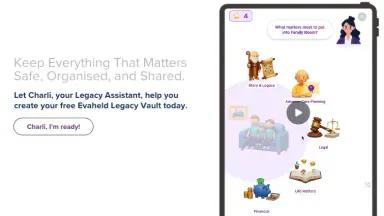
Evaheld helps by giving those details a clear home. Used alongside a digital legacy vault, the benefit can support everyday life admin, future care conversations and personal storytelling without asking families to solve everything at once. The aim is simple: make essential information easier to find, keep the senior's voice visible, and reduce repeated questions for carers.
Privacy should sit underneath every step. The Australian privacy rights guidance is a reminder that personal, health and family information should be collected and shared deliberately. Evaheld works best when a cardholder chooses what belongs in the vault, who should see it and what should remain restricted.
What should Tasmanian seniors organise first?
Start with the information that would help in the next realistic family situation. For many seniors, that means emergency contacts, GP and specialist names, pharmacy details, medicines, allergies, preferred hospital, mobility needs, pet care, household access notes and who should be called first. For carers, it may mean daily routines, respite contacts, appointment notes and signs that someone is becoming unwell or distressed.
Then add practical documents and locations. A vault does not need to store every sensitive record immediately. It can begin by recording where important paperwork is kept, who has authority to access it and which professional should be contacted. The affairs in order checklist can help families choose a sensible first group of records instead of trying to upload a lifetime of paperwork at once.
Care wishes deserve the same clarity. Australian guidance on advance care planning explains that values, preferences and substitute decision-makers are easier to respect when they are discussed early. Evaheld can hold plain-language notes that sit beside formal documents: what comfort means, who should be involved, which routines matter and what family should understand before a crisis.
A good first week is small. Add five contacts, five care notes, five document locations, one family message and one question to discuss with a trusted person. That is enough to turn Tasmanian Seniors Card Evaheld benefits from an idea into a working family resource.
How carers can use the benefit without taking over
Carers often become the unofficial memory of a household. They know appointment times, support worker names, medication changes, family concerns, preferred meals, transport issues and the quiet details that make care feel familiar. Evaheld can help carers document that knowledge, but the cardholder's choices should stay at the centre whenever possible.
A practical setup is collaborative. The carer can help gather information, type notes, scan document locations or prompt stories, while the senior decides what is included and who should have access. If capacity is changing, families should seek appropriate professional guidance and use the vault to record context, not to bypass formal safeguards.
This is especially important when several relatives are involved. One person may be doing most of the care while others receive only fragments of information. Evaheld's family carer resources can support a more balanced approach by helping families decide what the main carer knows, what others need to know and what can remain private.
Older people and carers also need protection from pressure and mistreatment. The Tasmanian elder abuse information service provides support pathways for concerns about harm, control or exploitation. A vault should never be used to force disclosure. It should make chosen information clearer and safer for the right people.
Where does Evaheld fit with wills, guardianship and care wishes?
Evaheld does not replace a will, enduring guardianship document, advance care directive or professional advice. Its role is to keep the human and practical context around those formal documents. Tasmania Legal Aid's will-making guidance explains why a valid will matters for property and estate decisions. Evaheld can sit beside that by recording where the will is stored, who should be contacted and what personal messages or keepsake stories family should not lose.
The same principle applies to healthcare. A formal document may record treatment preferences or who can speak for a person. Evaheld can record the values behind those choices: what independence means, what kind of comfort matters, which spiritual or cultural practices should be respected, and how family members should communicate when emotions are high.
Families can use the advance care communication resource to prepare for those conversations before they feel urgent. The benefit is not about creating a legal shortcut. It is about making sure the cardholder's voice, explanations and practical instructions are not separated from the documents relatives may later need.
That distinction protects everyone. Formal documents should be prepared through the proper channels. Evaheld can hold supporting notes, reminders, stories and contact pathways so the formal plan is easier to understand when family members are tired or grieving.
Health And CareWhat belongs in a senior's private family vault?
A useful vault is organised around decisions family may need to make. Include contact lists, medical and care preferences, document locations, account instructions, pet care, household routines, funeral wishes, digital asset notes, messages for loved ones, photographs and stories behind keepsakes. Keep the categories plain. Future relatives should not need to decode clever folder names during a stressful week.
Preparedness advice from Ready.gov family planning supports the same logic: households cope better when key information is gathered before an emergency. Evaheld adapts that idea for family care and legacy planning resources. It gives seniors a way to record both practical information and personal meaning in the same place.
Security habits matter too. The NIST Cybersecurity Framework encourages identifying important information, protecting it and keeping it recoverable. In family terms, that means deciding which information belongs in the vault, who can see it, how permissions are reviewed and what should stay with a solicitor, doctor or trusted professional instead.
Many seniors also want to preserve identity, not just administration. A recipe, family saying, migration story, handwritten letter, service memory or message for grandchildren may not fit neatly into formal paperwork. Evaheld lets those details sit beside practical notes so relatives inherit more than instructions.
How to avoid oversharing sensitive information
Not every detail should be visible to every relative. Some information is practical and low risk, such as preferred meals, pet care or family stories. Some information is sensitive, such as health history, passwords guidance, legal matters, financial records or family conflict. A good vault separates those categories so access can be thoughtful.
Scam awareness is part of that care. The Scamwatch advice shows why older Australians and families should be alert to impersonation, payment pressure and suspicious contact. A vault should make trusted information easier to find without encouraging people to expose passwords, identity documents or financial details unnecessarily.
Evaheld's secure family sharing resource can help families think about permissions before invitations are sent. Start with one trusted person. Review what they can see. Add others only when the purpose is clear. If a relative only needs care routines, they do not need estate notes. If an executor needs document locations, they do not need every personal message.
The best sharing explanation is simple: this vault is here to help family find contacts, wishes, document locations and stories if support is needed. It is not an invitation for everyone to inspect private life. That boundary keeps Tasmanian Seniors Card Evaheld benefits practical and respectful.
A simple setup pathway for Tasmanian cardholders
Begin with one purpose. A cardholder might choose "help my children find the right information", "make care handovers easier", "preserve stories for grandchildren" or "organise document locations". A single purpose keeps the first setup manageable and prevents the vault from becoming another unfinished life admin project.
Next, choose a trusted organiser. That may be the senior, a spouse, an adult child, a carer or a close friend. Decide who will add information, who will review it and who will receive access later. The life admin starting point can help families choose first categories without overcomplicating the process.
Then set a review rhythm. Check the vault after a hospital stay, diagnosis, house move, changed carer, updated will, new phone number or family event. Also review it once a year even when nothing dramatic has happened. A vault that relatives trust is one that stays current.
Community connection matters too. COTA Tasmania provides ageing-related information and advocacy, and those broader supports can sit beside private family planning. Evaheld is one part of a wider support picture: the place where chosen family information, wishes and legacy messages are kept together.
When the first structure is ready, Tasmanian seniors and carers can prepare a family vault and invite one trusted person to check whether the information would make sense in a real situation.
Keeping the benefit useful over time
The value of Evaheld grows when the vault is reviewed. Out-of-date contact numbers, old medication lists, changed carers, replaced documents and superseded wishes can confuse relatives. A short review is better than a perfect overhaul. Update what changed, remove what no longer belongs and add context while it is still fresh.
Families should also notice emotional load. Planning can bring relief, but it can also raise grief, fear or conflict. The goal is not to force one large conversation. It is to create a gentle structure where practical details and personal messages can be added over time. Seniors can record what they want family to know without turning every update into a family meeting.
The executor and carer roadmap is useful because it shows how roles can overlap. A carer may need daily routines. An executor may need document locations. Adult children may need personal messages and contact instructions. Evaheld helps separate those needs so one person does not carry all the knowledge.
Tasmanian Seniors Card Evaheld benefits are strongest when they stay small enough to use and clear enough to trust. Contacts, care wishes, document locations, permissions and messages are a practical foundation. Families can add stories, photos and deeper legacy material once the essentials are working.
A useful review can be done in twenty minutes. Check whether the first contact is still correct, whether medical notes are current, whether a document location has changed and whether a family message still says what the cardholder wants it to say. If a section feels too private, restrict it. If a section feels confusing, rewrite it in plain language. The vault should feel like a calm reference point, not a burden that only one organised person can understand.
It also helps to name the practical outcome. For one family, the outcome may be quicker hospital communication. For another, it may be fewer repeated calls to the main carer. For another, it may be preserving stories before memory, illness or distance makes them harder to capture. When the outcome is clear, Tasmanian seniors can use Evaheld with more confidence and relatives can respect the reason behind the information.
What makes the first month easier?
The first month should be about clarity rather than completeness. Choose one folder for care information, one for document locations, one for family messages and one for stories. Ask a trusted relative to read the notes as if they were helping tomorrow. If they can understand who to call, where to look and what matters most, the vault is already doing useful work.