Why personalised care needs a calmer path
Personalised care with DR Care Solutions matters because many families reach care decisions at the exact moment they have the least spare energy. A parent may be recovering from hospital, an older partner may be less safe at home, or adult children may be trying to compare services while also managing work, grief, distance and family disagreement. The practical question is rarely whether support is needed. It is how to choose support that respects the person, fits the household and does not bury everyone in paperwork.
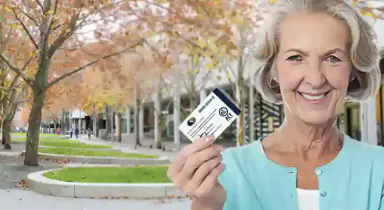
That is where the relationship between DR Care Solutions and Evaheld is useful. DR Care Solutions brings experienced, person-centred care navigation, while Evaheld helps families keep wishes, stories, care preferences and legacy information organised in one private record. The pairing is not about replacing clinical, legal or financial advice. It is about making the human side of care easier to document, share and revisit as circumstances change. For related paperwork and decision points, the evaheld as a benefit for tasmanian seniors card holders can help keep this part of the plan connected to the wider record. For related paperwork and decision points, the evaheld as a benefit for older south australians can help keep this part of the plan connected to the wider record. For related paperwork and decision points, the evaheld joins forces with QLD seniors program can help keep this part of the plan connected to the wider record.
Families often begin with a simple worry: someone they love needs more support, but no one is sure what the next decision should be. Public health information such as palliative care support shows how care can focus on comfort, quality of life and practical planning, not only treatment. In everyday family life, that means asking what matters to the person, who needs to know, what has already been decided and what still needs a careful conversation.
The goal of this updated guide is to make the DR Care Solutions care journey easier to understand. It explains what personalised care planning can involve, how families can prepare for conversations, where Evaheld can support continuity, and how to avoid common mistakes that make later care decisions harder than they need to be.
What does DR Care Solutions help families clarify?
DR Care Solutions helps people slow down a crowded decision and turn it into a clearer care pathway. For some families, that means understanding home care options. For others, it means thinking through retirement living, residential care, disability support, respite, end-of-life support or a mix of services that may change over time. The useful part is not just knowing that options exist. It is having a structured way to compare them against the person's needs, values, risks, preferences and family capacity.
The existing DR Care Solutions post was built around the value of personalised support, and that remains the right focus. A care plan is stronger when it records the person's routines, communication style, health priorities, spiritual or cultural preferences, social connections, pet responsibilities, trusted contacts and practical concerns. A provider can then respond to a whole person, not a thin summary of tasks.
Dementia Australia's dementia information is a useful reminder that changes in memory, behaviour or independence affect families as well as the person receiving care. A personalised plan should therefore record what helps the person feel settled, what may cause distress, which family members understand particular routines and how decisions will be revisited when needs change.
Evaheld supports that planning by giving families a place to preserve care context that can be lost in rushed calls or scattered notes. A family can record preferences, personal messages, important documents, routines and story-based details that make care more humane. For people supporting parents or relatives, Evaheld's family care planning resources give a practical path for turning concern into organised action.
How personalised care planning works in practice
Good personalised care planning usually begins with listening before choosing. The family gathers what is known, names what is uncertain and identifies the decisions that cannot wait. This may include current health needs, medication routines, mobility, meal support, transport, social isolation, home safety, family availability, cultural needs, end-of-life preferences and the person's own view of independence. If the person can participate, their voice should lead the process as much as possible.
A practical care conversation should separate immediate risks from longer-term wishes. Immediate risks might include falls, missed medication, carer burnout, unsafe driving, loneliness, poor nutrition or confusion after hospital discharge. Longer-term wishes might include staying connected to grandchildren, remaining at home, choosing music and food preferences, preserving personal stories, documenting funeral wishes or deciding which family members should receive particular messages.
Palliative Care Australia's palliative care overview explains that support can involve physical, emotional, social and spiritual needs. That broader definition matters because care decisions are not only service transactions. A person may need help showering, but they may also need reassurance that their routines, identity and life story are still being respected.
- Start with the person's own words about what good care means to them.
- Record urgent practical needs separately from values, wishes and legacy information.
- Name the trusted people who should be included in decisions and updates.
- Use one shared record so family members are not relying on memory alone.
- Review the plan after health changes, moves, hospital stays or family transitions.
Evaheld is helpful at the review stage because care preferences can be linked with personal context. Families can keep a care note beside a story, a message, a document or a future request, then return to it when the next decision arrives. When care professionals and family members share a clearer picture, choices become less reactive and less dependent on whichever relative happens to be available that week.
Where Evaheld fits beside care navigation
Evaheld does not decide which provider, package or clinical pathway is right for a family. Its role is different. It helps families organise the human information that can make those decisions more respectful. The platform can hold legacy stories, personal wishes, practical documents and messages so that care planning is not reduced to appointments and forms. This is particularly valuable when siblings live in different places or when a person's wishes have been expressed informally over many years.
Families can use Evaheld to record what the person wants remembered, what support feels acceptable, who should be contacted, where documents are stored and which memories or messages should be preserved. That can sit alongside the more formal care navigation offered by DR Care Solutions. The result is a more complete picture: professional guidance for care options, plus a private family record that protects values, identity and continuity.
For aged care providers and care partners, Evaheld's home care partnerships show how legacy, life administration and family communication can strengthen support beyond a single appointment. The strongest care experiences are often built from many small pieces of context: preferred names, family roles, old routines, faith practices, favourite music, food dislikes, messages for loved ones and wishes about future care.
A family that wants to begin without overcomplicating the process can open a family care record and start with the details that are easiest to confirm. The first record does not need to be perfect. It only needs to be accurate enough to reduce confusion and compassionate enough to honour the person behind the plan.
What should families prepare before a care meeting?
Preparation protects families from making rushed decisions with incomplete information. Before a conversation with DR Care Solutions, another care navigator or a provider, it helps to gather a short care snapshot. This snapshot should include the person's current living situation, health conditions, mobility, communication needs, medications, daily routines, social support, existing services, budget questions, decision makers and what the person most wants to protect.
The Older Persons Advocacy Network at OPAN is a useful reminder that older people have rights, choices and a voice in aged care decisions. Families should therefore prepare in a way that supports participation, not just efficiency. If the person can express preferences, record those preferences clearly. If they need help communicating, identify what makes conversations easier: time of day, trusted people, hearing aids, written prompts, translated information or shorter meetings.
A strong snapshot also separates facts from assumptions. "Mum is not coping" is less helpful than "Mum has missed three meals this week, is anxious after sunset and wants to stay close to her church community." Specific details help a care professional understand the pattern, not just the worry. They also reduce the risk of family members talking past each other when emotions are high.
- Current supports: formal services, informal help, transport, meals and medication routines.
- Main risks: falls, isolation, confusion, carer exhaustion, grief, home safety or hospital readmission.
- Personal priorities: independence, privacy, faith, culture, pets, friendships and familiar routines.
- Family logistics: who lives nearby, who can visit, who manages calls and who holds documents.
- Legacy details: stories, messages, wishes and personal records the person wants protected.
How can families avoid common care planning mistakes?
The first mistake is waiting until a crisis makes every option feel urgent. Families often avoid care conversations because they feel intrusive, but delay can leave the person with fewer choices. The better approach is to start with practical observations and values, not a demand for immediate decisions. Ask what would make home feel safer, what support would feel respectful and what information the family should know before a stressful moment arrives.
The second mistake is letting paperwork become the whole plan. Forms matter, but they do not explain the person's life. Care workers and relatives also need context: how someone likes to be addressed, what routines calm them, which foods feel familiar, what grief they may be carrying and what they want their family to remember. COTA Victoria's older people advocacy work reinforces the importance of respect, rights and participation in later-life decisions.
The third mistake is letting one family member become the unofficial archive. When one person holds every phone number, password hint, care note, appointment detail and family story, the care system becomes fragile. Shared records reduce the pressure on that person and make it easier for other relatives to step in. They also help when the main carer becomes unwell or needs respite.
The fourth mistake is ignoring the emotional load. Care decisions can stir grief, guilt, sibling tension and fear of losing independence. Families do not need to solve every feeling before acting, but they do need a process that makes room for them. A clear care record can lower the temperature by keeping conversations specific and by returning everyone to the person's stated priorities.
What makes this partnership useful for continuity?
Continuity is the thread that connects a person's past, present and future care. It means the next person involved does not have to start from zero. It means a family can remember what was agreed, why it mattered and what still needs review. It also means a person's identity is not lost when their support needs increase.
DR Care Solutions can help families move through care choices with more confidence. Evaheld can help them keep the values, wishes and stories that those choices should respect. Together, that gives families a practical way to connect professional guidance with personal meaning. It is especially valuable when care involves several settings, such as home support, hospital discharge, respite, residential care or end-of-life planning.
Better Health Victoria's advance care plans information shows why documenting preferences early can help others understand what matters. In a family context, that documentation should not be limited to clinical decisions. It can also include everyday dignity: how someone wants to spend time, what conversations they value, which traditions matter and how they want loved ones to feel supported.
This is also where Evaheld's story and legacy tools become practical rather than sentimental. A story, a voice note or a message can become part of care continuity. It can remind family members and carers that the person receiving support is not only a patient, client or resident. They are someone with memories, preferences, relationships and unfinished things they may still want to say.
A practical next step for families
If your family is considering DR Care Solutions, begin by preparing one clear care snapshot and one legacy snapshot. The care snapshot records needs, risks, services and practical questions. The legacy snapshot records wishes, stories, values, messages, documents and personal details that should not be lost. Keeping both together makes the next conversation more useful and more humane.
Personalised care with DR Care Solutions works best when families bring both evidence and empathy to the table. Evidence helps professionals understand what is changing. Empathy helps everyone remember why the decision matters. Evaheld gives families a practical way to hold that information with care, return to it over time and share it with the right people when support needs change.
The most useful first step is modest: choose one trusted family member to gather the details, invite the person's voice wherever possible, and prepare one shared record before the next care conversation. That record can grow as new decisions, wishes and memories emerge.