How does Brainstrust UK support people with brain tumours?
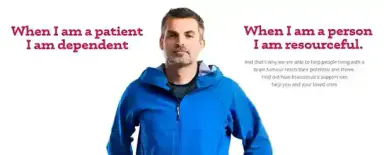
Brainstrust UK and Evaheld Partnership explains why calm, practical support matters after a brain tumour diagnosis. Brainstrust describes its work as helping people with a brain tumour feel less alone, better informed and more able to live the life they want. Its support model centres the person and family, not just the diagnosis, which is why the partnership with Evaheld is a natural fit.
The Brainstrust U.K. and Evaheld partnership connects Brainstrust’s support for people affected by brain tumours with Evaheld’s secure legacy tools.
A brain tumour can change how a family organises time, information, work, money, care and future wishes. The NHS overview of brain tumours sets out how symptoms, tests and treatment can vary widely, so families often need flexible support rather than one fixed checklist. Brainstrust UK gives people information and human guidance; Evaheld gives families a private place to organise what they want trusted people to know.
The partnership should be understood in that practical lane. Evaheld is not replacing clinical teams, legal advisers or charity support. It helps people record wishes, messages, key contacts, documents and stories in one secure vault, so the emotional and administrative load is not carried only in memory. Evaheld's charity partnership pathway is built for organisations that want to offer this type of support without asking staff to manage private family content.
This article updates the original Brainstrust post with clearer structure, current support context and Typeflo-ready technical repair. It preserves the original Brainstrust UK and Evaheld Partnership focus while making the page more useful for people living with a brain tumour, carers, family members and charity teams who need practical language for a sensitive topic.
Why can a private vault help after diagnosis?
After diagnosis, families often move quickly from shock into appointments, test results, treatment discussions and everyday problem solving. NICE guidance on brain tumour care recognises that people need information, support and coordinated care across the pathway. A private vault does not make medical decisions easier, but it gives families a stable place to collect the non-clinical details that still matter.
Those details can be simple: who to call first, where documents are stored, which messages should be saved, what a person wants children to understand, which preferences should be discussed with clinicians, and how family members should access practical information if the person becomes too tired or unwell to repeat it. That kind of clarity can reduce avoidable stress at exactly the point when energy is limited.
Cancer Research UK's brain tumour information shows how different tumour types and treatments can affect daily life in different ways. That variation is one reason a flexible vault can help. Some families will use it mainly for practical notes. Others will use it for voice recordings, letters, memory prompts or future messages. The person decides what belongs there and who should see it.
Evaheld's health care vault supports that mix of practical information and personal meaning. For people connected with Brainstrust, it can sit beside charity resources as a private family tool: not a public memorial, not a replacement for advice, and not a pressure to complete everything at once.
What should families record first?
The best first step is usually small. A family does not need to write a life story or finish every document in one sitting. Macmillan's brain tumour support recognises that people may need practical, emotional and financial information at different points. A vault should respect that timing by allowing one useful item at a time.
A good starter list includes one trusted contact, one document location, one care preference to discuss with the clinical team, one practical household note and one personal message. These are not formal legal instructions unless the relevant professional documents also exist. They are family guidance, written in the person's own language, before a crisis forces relatives to guess.
For charity teams, the invitation can stay gentle: "This can help you keep wishes, information and messages in one private place when you are ready." That wording avoids pressure. It also separates legacy support from the idea that the person is only preparing for the end of life. The support conversation can stay focused on control, identity and everyday context rather than on a single outcome.
Evaheld's guidance on charity legacy vaults explains the same idea from an organisational view. A free or partner-supported vault can extend a charity's help into family life without asking staff to take responsibility for private decisions.
Families may also need permission to leave some sections blank. A person with a brain tumour may have days when writing feels possible and days when it does not. A well-designed vault should support that rhythm. It should make one completed prompt feel worthwhile, not make an unfinished profile feel like another task that has gone wrong.
How does this support carers and loved ones?
Carers often become the bridge between the person, the family and services. Carers UK offers practical support for people managing that role, and the need for clear information is obvious when appointments, symptoms, medications, finances and household tasks all overlap. A vault can reduce the number of questions that sit with one exhausted person.
The benefit is not only administrative. Brain tumour changes can affect communication, personality, memory, energy and confidence. When a person records messages, stories and preferences in their own words, loved ones have something more personal than a folder of forms. That can be especially meaningful for children, partners, siblings and friends who want connection as well as instructions.
Evaheld's discussion of patient wishes shows how personal meaning and practical preparation can sit together. A person might record why a song matters, what they want at a family milestone, how they want decisions discussed, or which values should guide loved ones if choices become difficult.
This is also where privacy matters. A vault should allow the person to choose what is shared now, what is saved for later, and who is invited. The family should not have to choose between silence and oversharing. A controlled space gives people more options.
For loved ones, the emotional value is often specific rather than grand. A partner may need to hear a familiar phrase. A child may want a birthday message. A sibling may need clarity about a decision that otherwise would have become a source of tension. These records do not remove grief, uncertainty or illness, but they can soften the avoidable confusion that families remember long after the practical tasks are finished.
What practical and legal boundaries should stay clear?
Families should keep clear boundaries when using Evaheld alongside Brainstrust UK. Evaheld can store information and messages, but it does not create UK legal documents by itself. Age UK explains power of attorney as a formal legal process, and families should use professional, jurisdiction-specific advice for legal decisions.
The vault can still be useful around those formalities. It can hold a note about where a will is stored, who the solicitor is, which family member should be contacted, where insurance details are kept, or which care preferences should be raised with clinicians. That makes the vault a practical index and communication tool, not a substitute for signed documents.
The same applies to medical decisions. NHS England's shared decision-making information explains the importance of conversations between people and clinicians. Evaheld can help people prepare thoughts and questions, but clinical advice must come from qualified health professionals.
For families already thinking about future care, Evaheld's practical legal boundaries stay guidance can help frame the difference between personal wishes, care conversations and formal documents. That distinction protects both the person and the people supporting them.
How can Brainstrust and Evaheld work together respectfully?
The respectful approach is opt-in, practical and plain-spoken. Brainstrust UK can continue doing what it does best: supporting people with brain tumours and their loved ones through information, coaching, community and advocacy. Evaheld can provide the private vault space where families record what matters beyond appointments and treatment notes.
The Brain Tumour Charity's support services show the wider ecosystem of help available to people affected by brain tumours. Partnership work should strengthen that ecosystem rather than confuse it. A clear referral sentence, a short explainer and a simple privacy note are usually more helpful than a long campaign message.
Charity teams should also be free to keep conversations brief. They can say: "Some families use Evaheld to organise messages, wishes and practical information. It is optional, and you can begin with one prompt." That is enough. Families dealing with a diagnosis do not need a sales script; they need a calm next step that they can accept or ignore.
Evaheld's digital care tools resource explains why practical platforms can help families coordinate information during serious illness. In the Brainstrust context, the value is personal control: people choose the story, the timing, the trusted people and the level of detail.
A respectful rollout should also protect staff boundaries. Charity workers can introduce the option, answer basic access questions and point people back to clinical, legal or crisis support when the topic moves beyond the vault. That protects families from mixed messages and protects staff from carrying responsibilities they were never meant to hold.
What does a useful vault checklist include?
A simple checklist helps families begin without turning the vault into another overwhelming task. The checklist should be flexible, because not every person wants the same level of planning or storytelling.
- Record two trusted contacts and how they should be reached.
- Add locations for key documents, including any will, power of attorney paperwork or care documents.
- Write one note about treatment questions or care preferences to discuss with clinicians.
- Save one message for a loved one, even if it is short.
- Add one story, photo explanation or family tradition that might otherwise be lost.
- List practical household information, such as pets, bills, routines or emergency contacts.
- Choose who can see each item now and who should receive it later.
Hospice UK's end-life care information shows why planning can include practical, emotional and family concerns. A checklist like this keeps the work grounded. It does not ask someone to sum up their life; it helps them leave fewer avoidable gaps.
For organisations, Evaheld's useful vault checklist include guidance guidance shows how structured preparation can reduce pressure on relatives and support teams. The checklist can be shared as a starting point, then adapted to the person's diagnosis, family structure and energy level.
How should families talk about legacy without pressure?
The language matters. Words like legacy can sound heavy if they arrive too soon or too dramatically. Families can make the conversation gentler by focusing on usefulness: "What would you like us to know?", "Where should we find things?", "Is there anything you want recorded in your words?", or "Would it help to save this for later?"
A private vault gives the person time to answer without an audience. They might record a voice note at night, add a document after an appointment, or write a message only for one person. That privacy can make the work feel less like a family meeting and more like a series of choices.
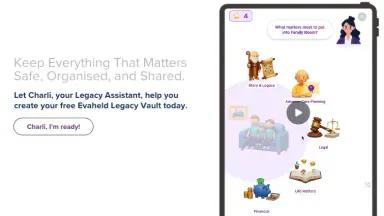
If someone is ready to begin, they can begin a private vault with one message or one practical note. The first item does not need to be perfect. It only needs to be useful enough that the next item feels easier.
This is especially important for families who are trying to balance hope, uncertainty and practical preparation. A legacy conversation does not have to mean giving up. It can mean keeping control of the words, records and memories that should not depend on one person's energy on a difficult day.
The strongest conversations are usually ordinary. They happen in small pieces, after appointments, while sorting papers, or when someone remembers a story they do not want lost. Evaheld gives those moments somewhere to go. Brainstrust gives families the confidence that support can be practical, connected and human while they navigate the harder parts of the brain tumour pathway. That steady approach is what makes the partnership useful for real families facing real uncertainty and future decisions.